SMUD Mitigation Pools
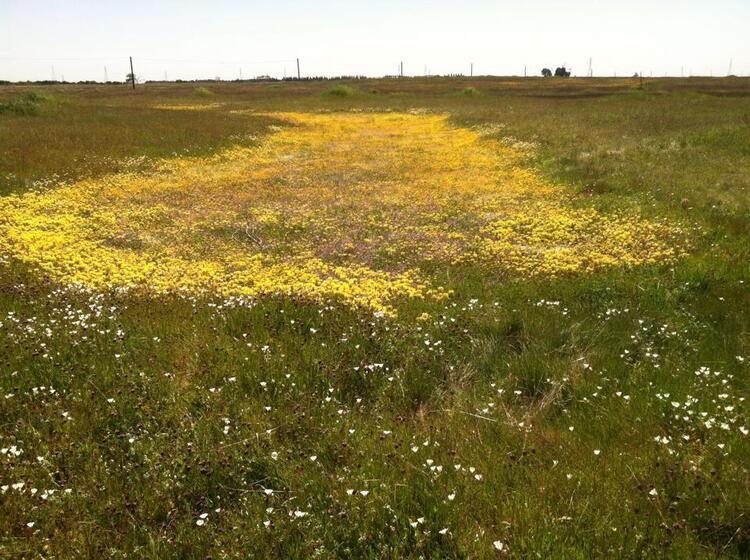
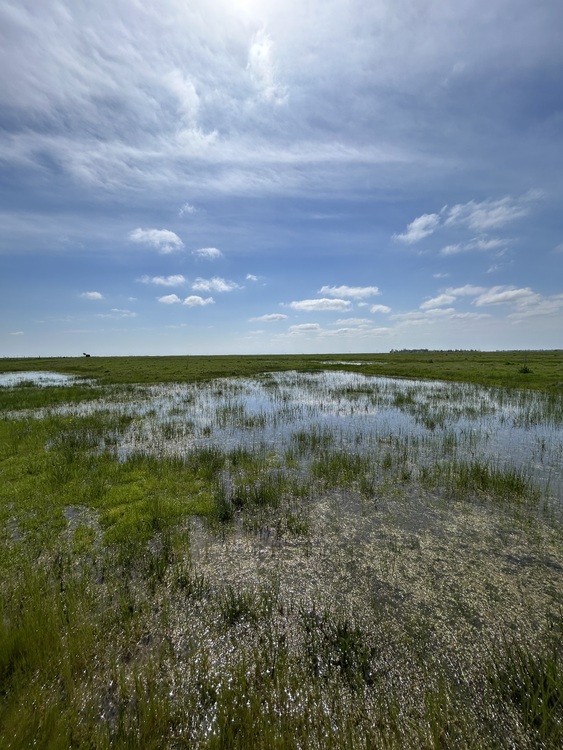
In 2011, SMUD established a vernal pool mitigation bank here, reconstructing pools across 90 acres to replace about 25 acres of impacted wetlands elsewhere. The goal was to recreate the natural hydrology and function of vernal pools—not just their appearance.
To do this, scientists used historic aerial photographs to map where vernal pools once existed and to determine their original depths and boundaries. Those patterns then guided how the pools were rebuilt in the field.
When researchers compared these reconstructed pools to natural vernal pools, the results were mixed. Amphibians have done well—species like the Western spadefoot toad and the California tiger salamander readily use the restored pools. That’s partly because birds and other animals help move amphibian eggs and invertebrate cysts from pool to pool, often carried on their feet or feathers.
Plants, however, have been slower to recover. Many vernal pool plants drop their seeds close to the parent plant, and their seeds aren’t easily spread by wind or animals. As a result, plant communities can take much longer to establish in reconstructed pools.
-
Introduction to Rancho Seco Howard Ranch Trail
-
History of Rancho Seco
-
Grasslands and California's Changing Landscape
-
Mima Mounds
-
Vernal Pools - What They Are
-
How Vernal Pools Are Different
-
Life In Extreme Conditions
-
Plants of the Vernal Pools
-
Soils Beneath Your Feet
-
Tiny Animals, Big Survival Skills
-
Cows and Vernal Pools
-
Solitary Bees
-
SMUD Mitigation Pools