History of Rancho Seco
Pause here for a moment and imagine a very different scene. This area of the Central Valley was once a broad, open landscape of native grasslands, seasonal wetlands, and scattered oak woodlands, shaped by flooding rivers, migratory birds, and thousands of years of Indigenous stewardship and later agricultural use.
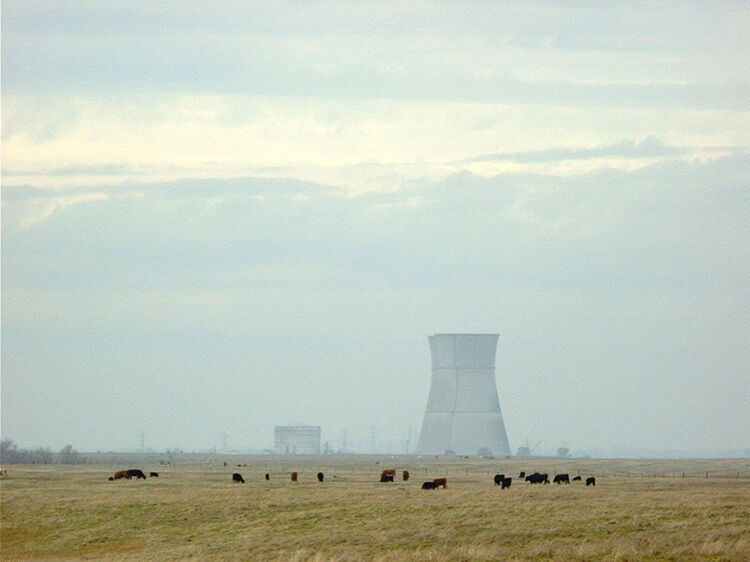
In 1966, SMUD bought more than 2,100 acres of this land to build a nuclear power plant, reflecting a time when nuclear energy was widely viewed as a promising solution to growing electricity demands. A large pond nearby was expanded to serve as emergency cooling water, designed to hold millions of gallons of water needed to safely cool the reactor during shutdowns or emergencies, and it has since become a defining feature of the site. By the mid-1970s, the plant was producing electricity and employing hundreds of workers, providing both power and economic stability to the region.
Over time, however, the plant struggled with reliability and safety concerns, including frequent outages and rising maintenance costs. National attention on nuclear power increased after major accidents elsewhere, and in 1989 the local community voted to shut Rancho Seco down. It remains the only nuclear plant in the United States closed by a public vote.
After years of cleanup, the site reopened for public use in 2009, reimagined as a place for recreation, education, and wildlife habitat. That decision also helped shape SMUD’s future, leading to major investments in renewable energy and conservation. Today, Rancho Seco is a place where energy history, community choice, and nature come together.
-
Introduction to Rancho Seco Howard Ranch Trail
-
History of Rancho Seco
-
Grasslands and California's Changing Landscape
-
Mima Mounds
-
Vernal Pools - What They Are
-
How Vernal Pools Are Different
-
Life In Extreme Conditions
-
Plants of the Vernal Pools
-
Soils Beneath Your Feet
-
Tiny Animals, Big Survival Skills
-
Cows and Vernal Pools
-
Solitary Bees
-
SMUD Mitigation Pools