Life In Extreme Conditions
Vernal pools are tough places to live.
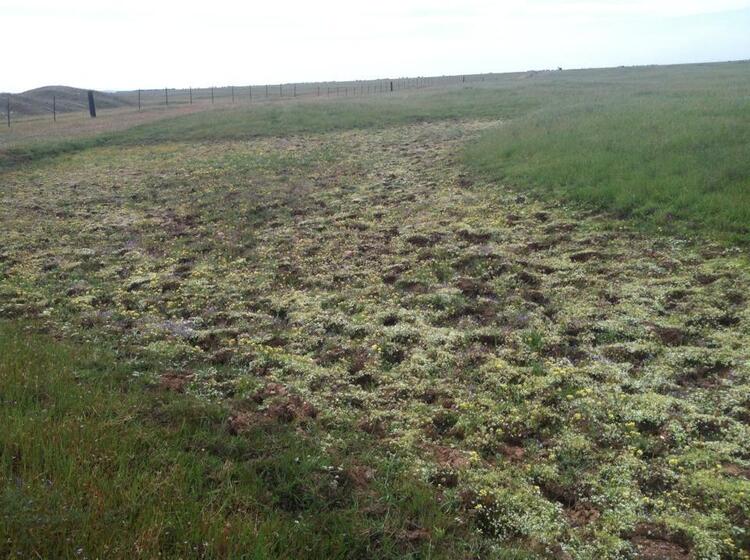
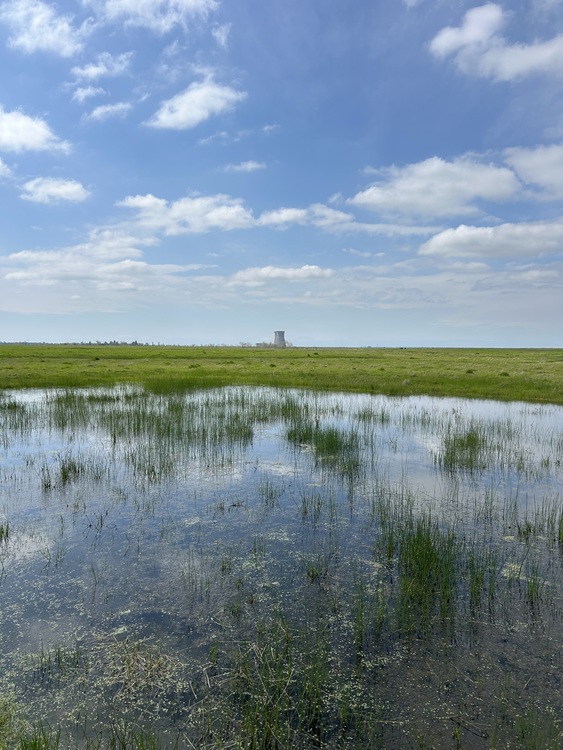
Water temperatures can change quickly, salt levels rise as water evaporate, and chemistry shifts throughout the day. These conditions would kill many species—but not the specialists that live here.
Because these pools are fed only by rain, they are very low in nutrients, creating an unbuffered environment. During the day, photosynthesis by plants and algae removes carbon dioxide from the water, which normally helps stabilize pH. As a result, pH levels can swing dramatically—from about 6 in the morning to nearly 10 by afternoon. For comparison, our blood is around 7.4, and even small changes can be deadly.
The pools are also shallow with a large surface area, which leads to extreme temperature changes from morning to midday. Evaporation further concentrates salts, increasing salinity by as much as 20 times compared to rainfall.
Only specialized species can survive these conditions. Out of roughly 200 plant species found in vernal pools, about half are restricted to these environments. The invertebrates here are just as unique—adapted to survive swings in pH, temperature, and salinity that would be lethal in most other habitats.
What may look fragile is actually a finely tuned ecosystem.
-
Introduction to Rancho Seco Howard Ranch Trail
-
History of Rancho Seco
-
Grasslands and California's Changing Landscape
-
Mima Mounds
-
Vernal Pools - What They Are
-
How Vernal Pools Are Different
-
Life In Extreme Conditions
-
Plants of the Vernal Pools
-
Soils Beneath Your Feet
-
Tiny Animals, Big Survival Skills
-
Cows and Vernal Pools
-
Solitary Bees
-
SMUD Mitigation Pools