Vernal Pools - What They Are
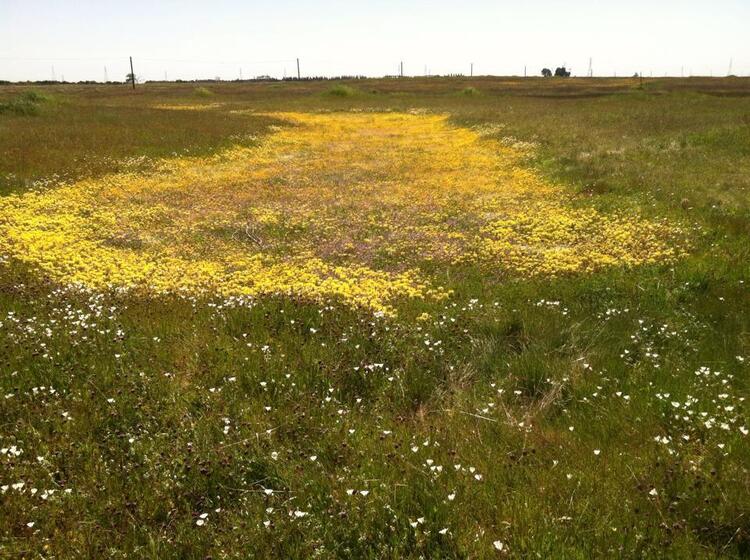
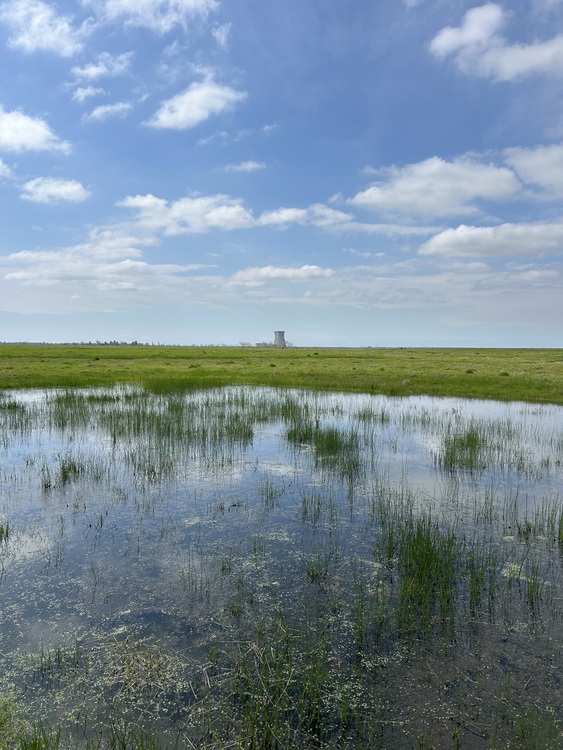
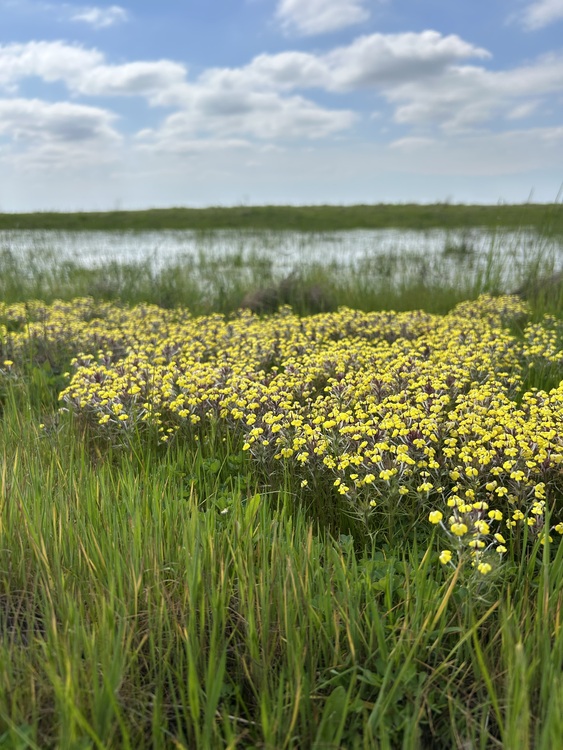
Vernal pools are small, seasonal ponds that form in shallow depressions in the landscape. The word vernal means “spring,” reflecting the pools’ life cycle. They fill with rainwater during cool months, remain inundated just long enough for plants to grow, pass through a brief waterlogged stage, and then dry completely for an extended period. They rely entirely on precipitation—streams don’t feed them—and their development is sensitive to timing and temperature. Delayed rains, sudden heat waves, or cool weather can all affect how well a pool thrives each year.
Here, about 90 percent of vernal pools have been lost to agriculture and urban development. The remaining 10 percent mostly occurs along the western foothills of the Sierra Nevada, where volcanic soil and glacial activity created impermeable layers that hold water long enough for these unique ecosystems to survive.
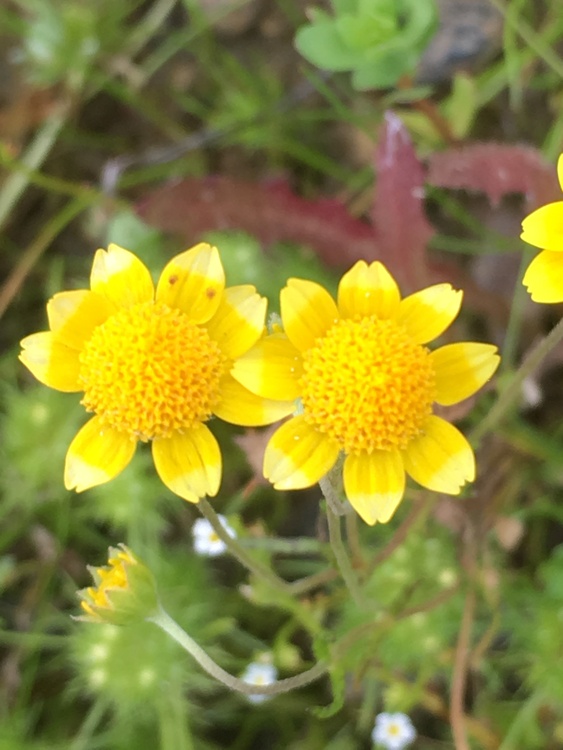
Though small and temporary, vernal pools are home to specialized plants, invertebrates, and pollinators found nowhere else, making them one of California’s most fragile and fascinating habitats.
-
Introduction to Rancho Seco Howard Ranch Trail
-
History of Rancho Seco
-
Grasslands and California's Changing Landscape
-
Mima Mounds
-
Vernal Pools - What They Are
-
How Vernal Pools Are Different
-
Life In Extreme Conditions
-
Plants of the Vernal Pools
-
Soils Beneath Your Feet
-
Tiny Animals, Big Survival Skills
-
Cows and Vernal Pools
-
Solitary Bees
-
SMUD Mitigation Pools