Cows and Vernal Pools
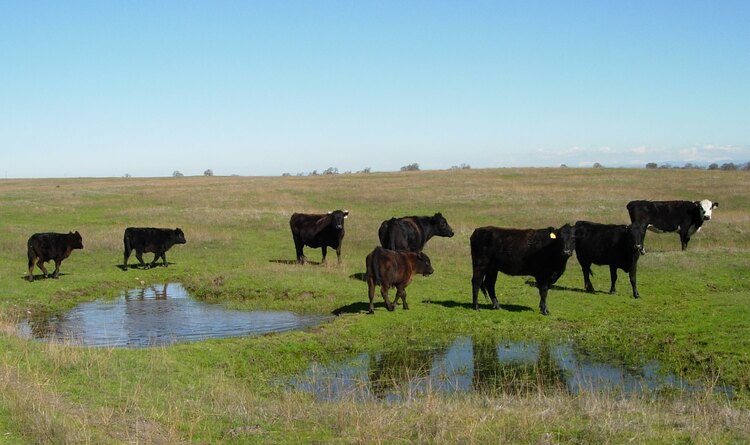
Before people arrived, California’s grasslands were grazed by deer, elk, and pronghorn. Today, domestic sheep and cattle fill that role, and when managed carefully, they are vital for the health of vernal pools.
Grazing helps keep non-native grasses and plants shorter, preventing them from reseeding and using too much water, while also adding nutrients back to the soil. Research has shown that one cow per six acres with a calf is the maximum for healthy vernal pool ecosystems. Studies comparing grazing styles—ungrazed, dry-season grazing, wet-season grazing, and year-round grazing—found that always grazed pools performed best in supporting vernal pool biodiversity.
Without grazing, grasses can invade pools, slowing the growth of native perennial species. Ungrazed pools also tend to dry out faster, giving invertebrates less time to mature or reproduce, and reducing overall diversity.
-
Introduction to Rancho Seco Howard Ranch Trail
-
History of Rancho Seco
-
Grasslands and California's Changing Landscape
-
Mima Mounds
-
Vernal Pools - What They Are
-
How Vernal Pools Are Different
-
Life In Extreme Conditions
-
Plants of the Vernal Pools
-
Soils Beneath Your Feet
-
Tiny Animals, Big Survival Skills
-
Cows and Vernal Pools
-
Solitary Bees
-
SMUD Mitigation Pools