Grasslands and California's Changing Landscape
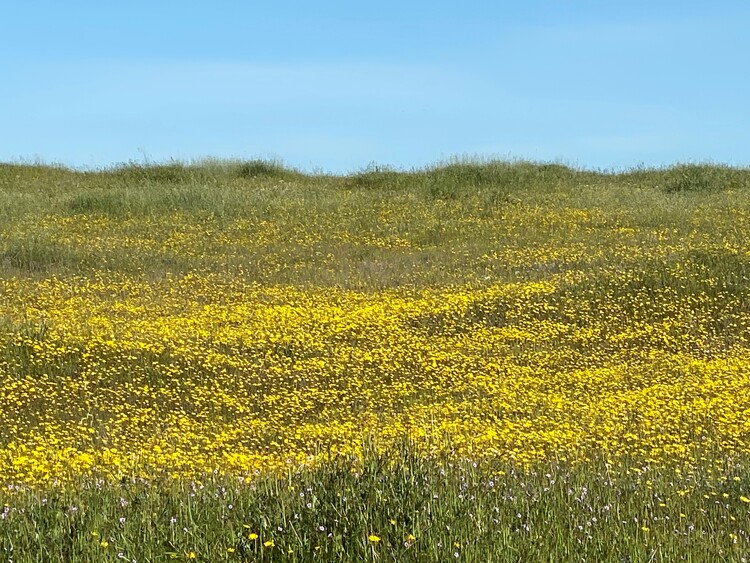
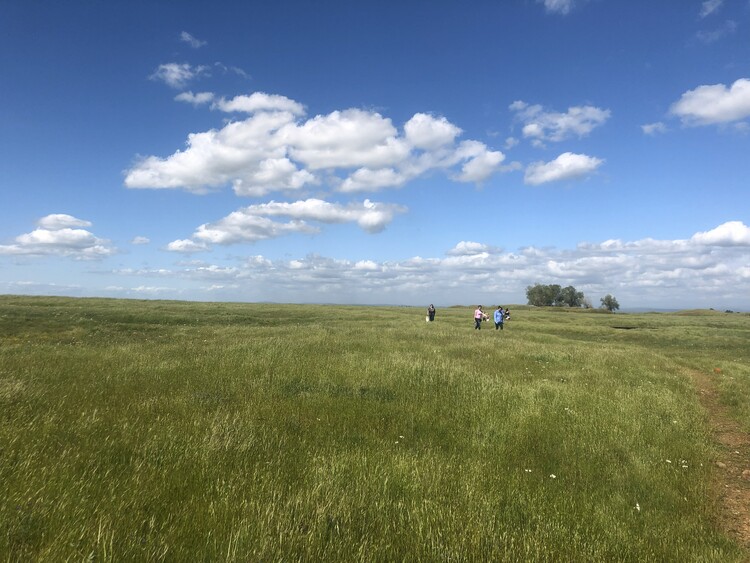
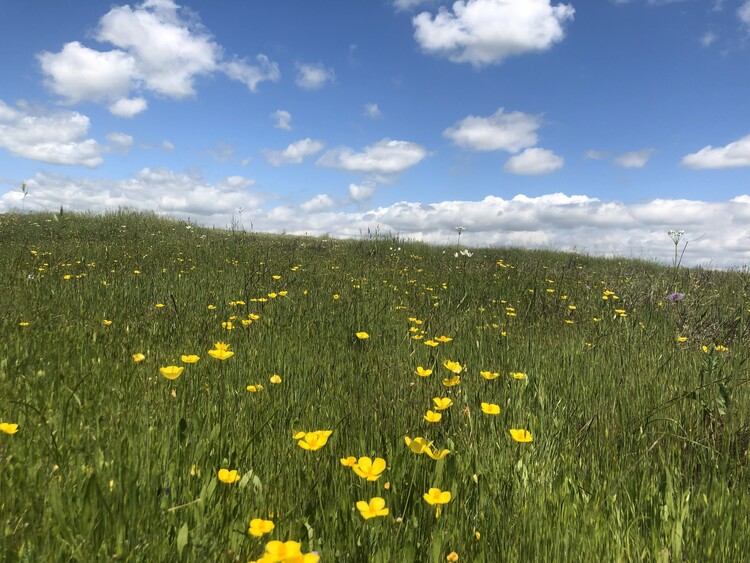
As you look out across these open grasslands, it’s hard to imagine how different they once were.
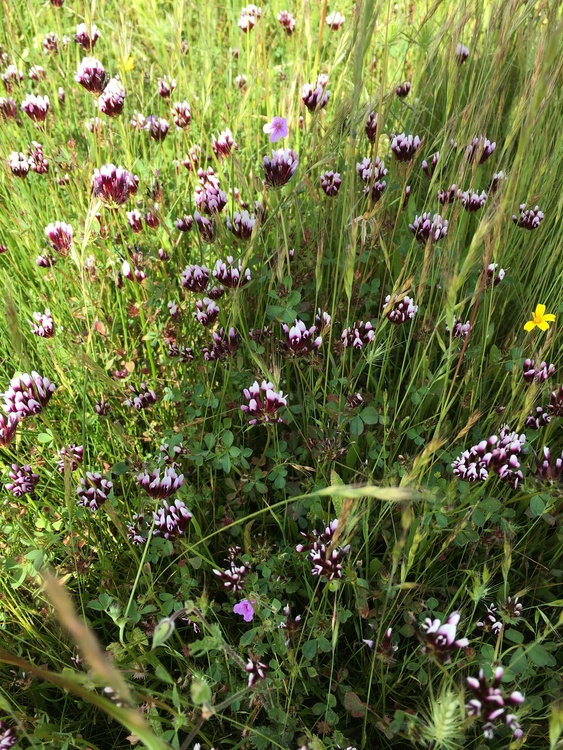
Before European settlement, California’s grasslands were dominated by native perennial grasses and a remarkable diversity of wildflowers. Natural cycles of grazing, fire, and seasonal rest allowed these plants to thrive. Early explorer John Muir famously described the landscape as “not grass with flowers sprinkled through it, but flowers with grass sprinkled through them.”
That balance began to change with the arrival of Europeans. Spanish settlers brought livestock—and the seeds of non-native plants with them. Some of those seeds, like Erodium, have even been found embedded in old Spanish mission bricks.
Native perennial grasses grow slowly and need time to establish deep roots. Without a rest period, they were quickly replaced by fast-growing annual grasses. These annuals sprout early, take up water first, and shade out native seedlings. Over time, non-native species like brome and oats came to dominate much of California’s grasslands.
Today, land managers work to restore balance—using grazing carefully and thoughtfully—to support native plants and the wildlife that depend on them.
-
Introduction to Rancho Seco Howard Ranch Trail
-
History of Rancho Seco
-
Grasslands and California's Changing Landscape
-
Mima Mounds
-
Vernal Pools - What They Are
-
How Vernal Pools Are Different
-
Life In Extreme Conditions
-
Plants of the Vernal Pools
-
Soils Beneath Your Feet
-
Tiny Animals, Big Survival Skills
-
Cows and Vernal Pools
-
Solitary Bees
-
SMUD Mitigation Pools