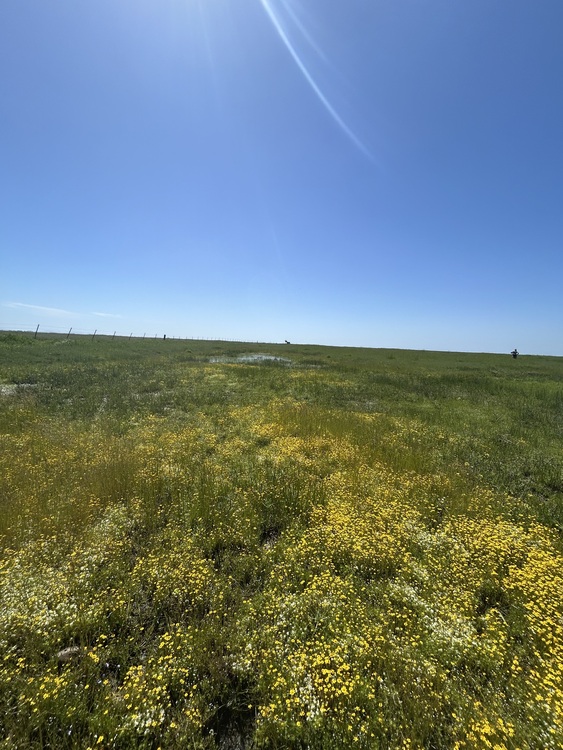
How Vernal Pools Are Different
At first glance, vernal pools may look like small wetlands—but they’re very different.
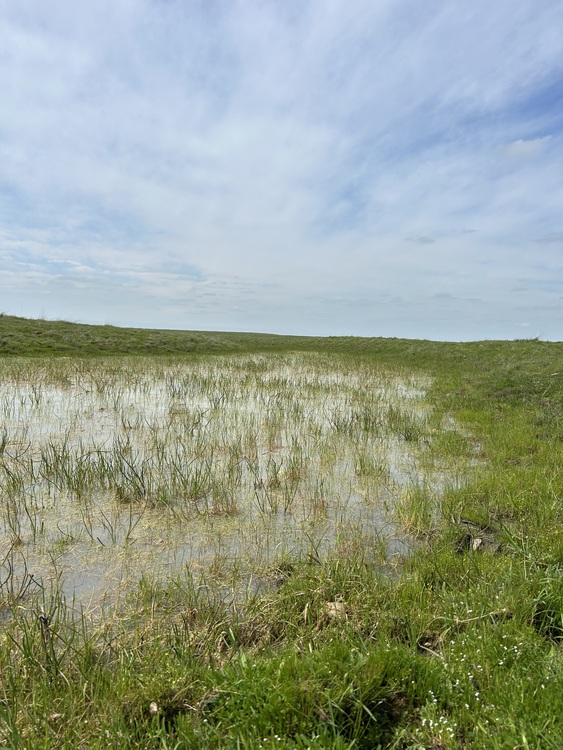
Unlike wetlands, vernal pools are fed almost entirely by rainwater, not streams or groundwater flow. Because of this, they’re nutrient-poor, and water leaves only through evaporation. These pools aren’t scoured by flowing water, which allows them to remain in the same place for thousands of years.
Vernal pools also dry up completely in summer. That’s one reason they don’t support fish. Fish would feed on the tiny invertebrates that depend on these pools, disrupting a delicate balance that has evolved over time.
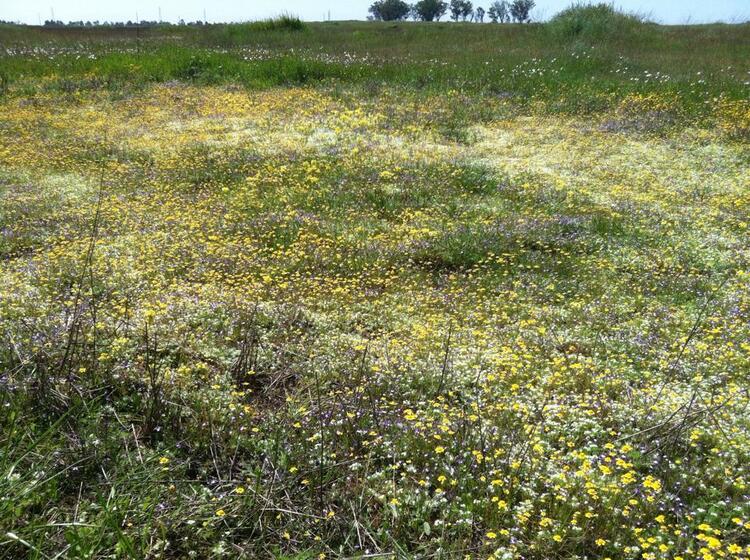
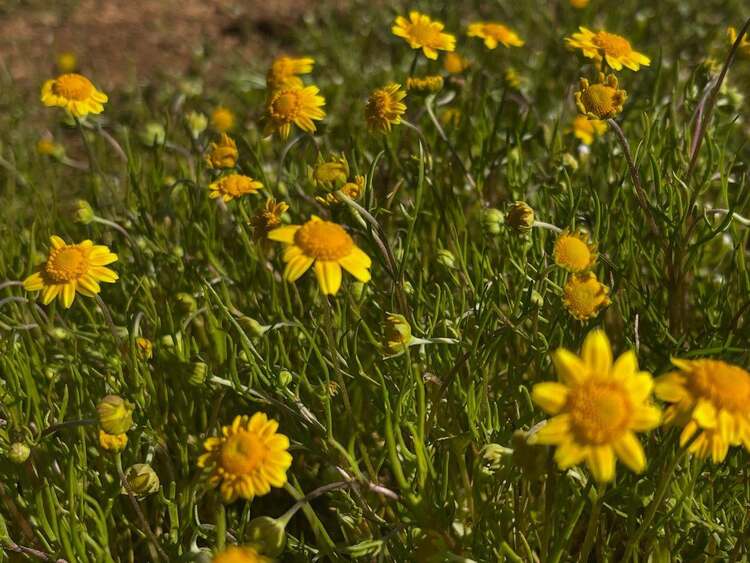
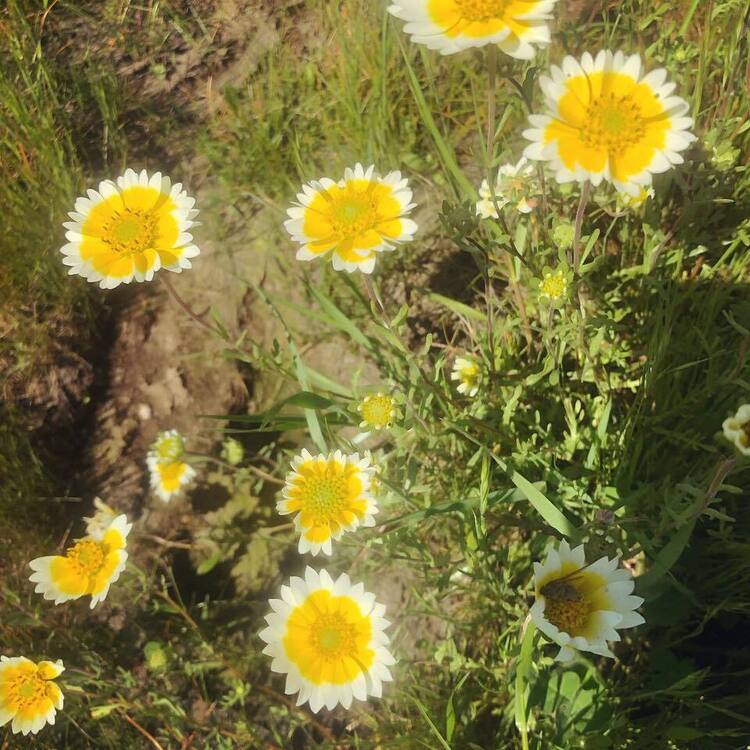
So what makes a pool a vernal pool? It’s a rare combination of factors. Beneath the surface is a hard layer of clay or volcanic ash that creates a perched water table, holding rainwater near the surface. The climate provides cool, wet winters, a brief spring, and long, hot summers. Together, these conditions support a unique community of plants, invertebrates, pollinators, and even ground-nesting bees—many found nowhere else.
Though they appear small and temporary, vernal pools are among California’s most unique and fragile ecosystems.
-
Introduction to Rancho Seco Howard Ranch Trail
-
History of Rancho Seco
-
Grasslands and California's Changing Landscape
-
Mima Mounds
-
Vernal Pools - What They Are
-
How Vernal Pools Are Different
-
Life In Extreme Conditions
-
Plants of the Vernal Pools
-
Soils Beneath Your Feet
-
Tiny Animals, Big Survival Skills
-
Cows and Vernal Pools
-
Solitary Bees
-
SMUD Mitigation Pools