Mima Mounds
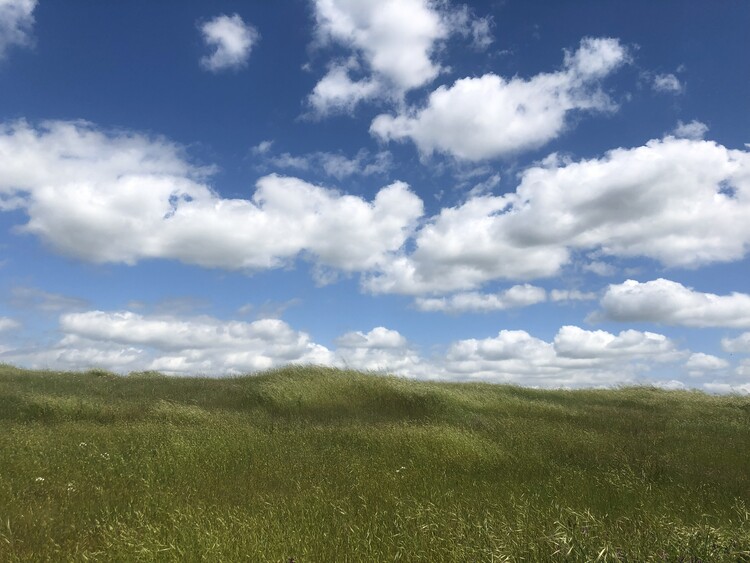
You may notice low, rounded hills rising from the grasslands around you. These are called Mima mounds—Mima, pronounced like “Me-Ma”
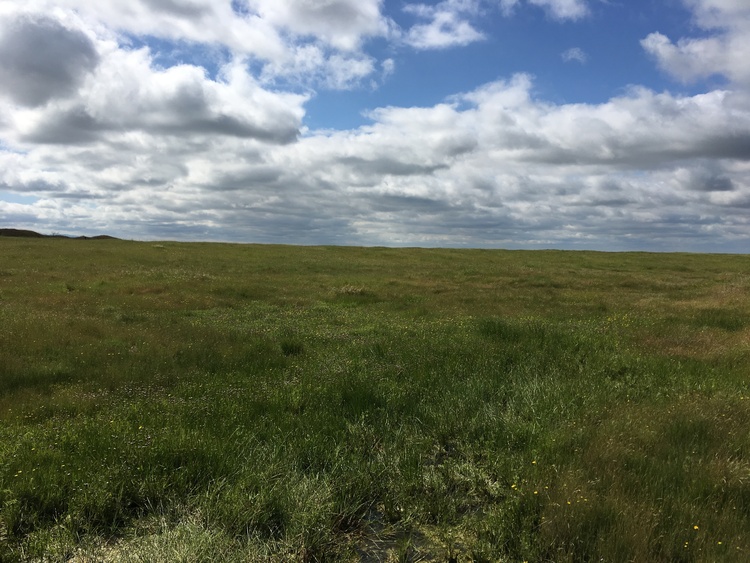
Mima mounds are dome-shaped soil formations, sometimes reaching six feet high and more than thirty feet across. They’re often found alongside vernal pools and appear only in open, grassy landscapes without trees or shrubs.
For more than a century, scientists have debated how these mounds formed. Theories have included erosion, freezing and thawing, earthquakes, and ancient ice flows. But many of those explanations don’t fully match what’s found in the soil.
One of the strongest explanations involves animals, especially burrowing rodents like gophers. By moving soil uphill to escape seasonal flooding, these animals slowly build and maintain the mounds.
As you continue along the trail, notice how subtle features like these mounds tell big stories about time, movement, and life on the landscape.
-
Introduction to Rancho Seco Howard Ranch Trail
-
History of Rancho Seco
-
Grasslands and California's Changing Landscape
-
Mima Mounds
-
Vernal Pools - What They Are
-
How Vernal Pools Are Different
-
Life In Extreme Conditions
-
Plants of the Vernal Pools
-
Soils Beneath Your Feet
-
Tiny Animals, Big Survival Skills
-
Cows and Vernal Pools
-
Solitary Bees
-
SMUD Mitigation Pools