FIRST STOP: 146 DIXIE HIGHWAY
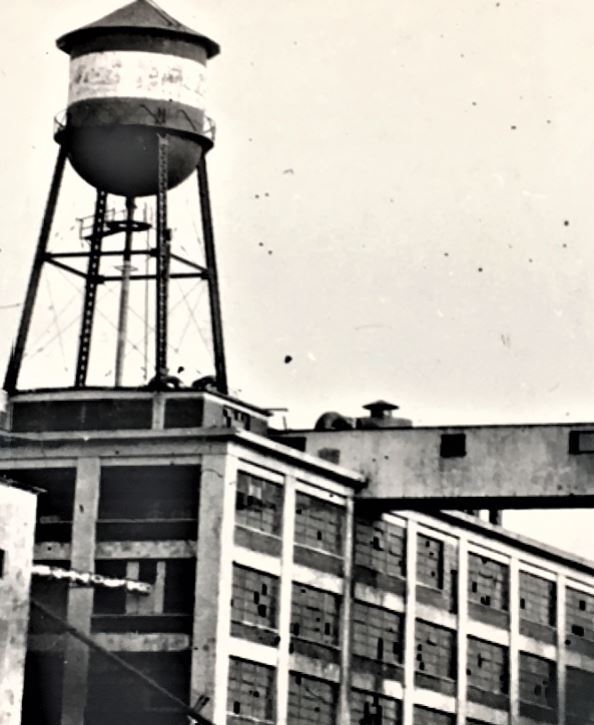
Libbey Owens Ford
Welcome to Rossford, Ohio! We’re glad you’re here.
This self-guided audio tour will take you through Rossford’s history—its people, businesses,
neighborhoods and landmarks—and introduce you to some of the stories that helped shape
this community.
We will begin with Libbey Owens Ford Company. We suggest you park a short distance down
the road from Libbey Owens Ford, at 146 Dixie Highway as you enjoy the history of Rossford’s
first factory.
Take a look around and imagine this place in 1898.
Edward Ford was looking out over 173 acres of land. Beneath his feet were three things that
were essential for making glass: sand, limestone and water.
The Maumee River was nearby. Lake Erie provided access to the Great Lakes and beyond. And
rail lines connected the area to other communities.
For a glass manufacturer, this was an ideal location.
And that’s where Libbey Owens Ford came in.
But this wasn’t just the beginning of a factory.
It was the beginning of Rossford.
The name Rossford combines Edward Ford’s name with that of his wife, Carrie Ross.
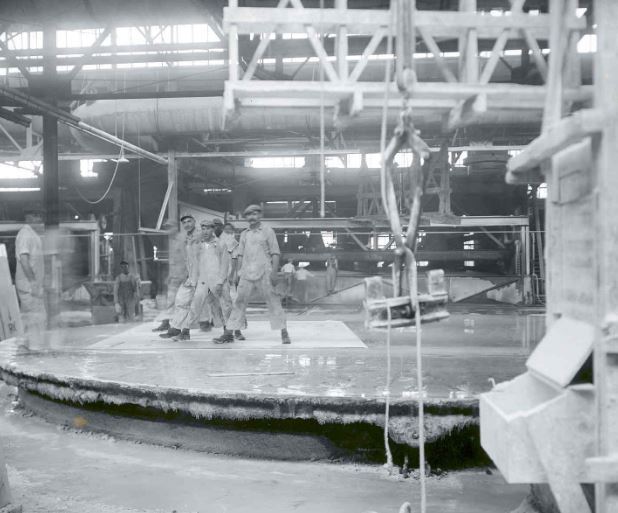
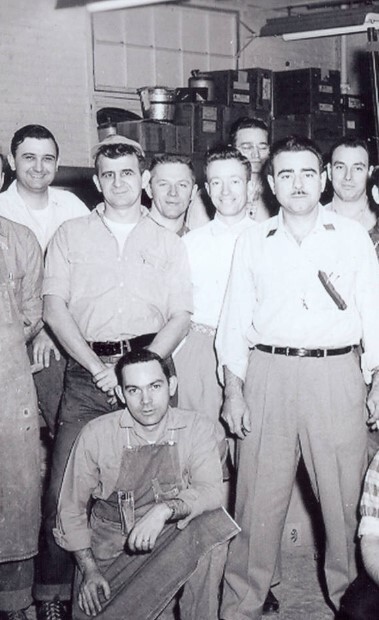
Ford brought workers here from across Europe and the United States. People came from
Belgium, Poland, Hungary, Ukraine, Bulgaria, Germany, Slovakia and Italy. African American
workers also came from Creighton, Pennsylvania.
They brought more than their skills.
They brought their languages, traditions, recipes, faiths and hopes for a better life.
And that’s how a factory became a community.
In just two years, the factory was producing millions of feet of glass. By 1930, Libbey-Owens-
Ford was a household name in Rossford. Nearly everyone seemed to have a connection to the
factory—a parent, grandparent, uncle, cousin or neighbor.
And the glass made here didn’t stay here.
It traveled around the world.
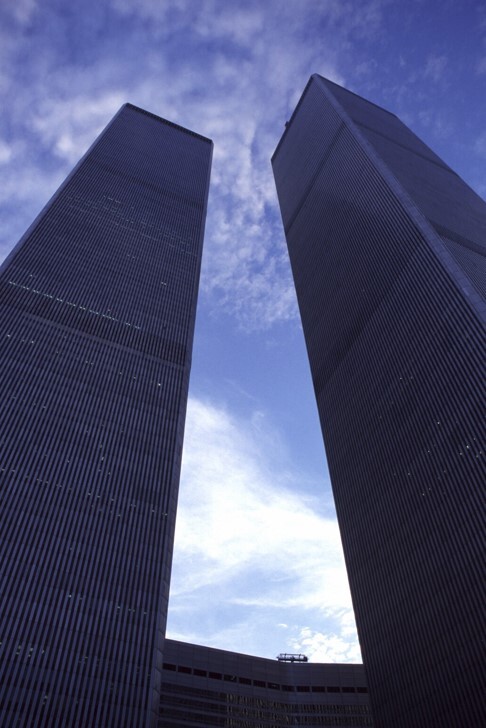
Libbey-Owens-Ford glass was used in the Empire State Building and the original Twin Towers.
It was also used to help protect some of America’s most important documents—the U.S.
Constitution and Declaration of Independence—at the National Archives.
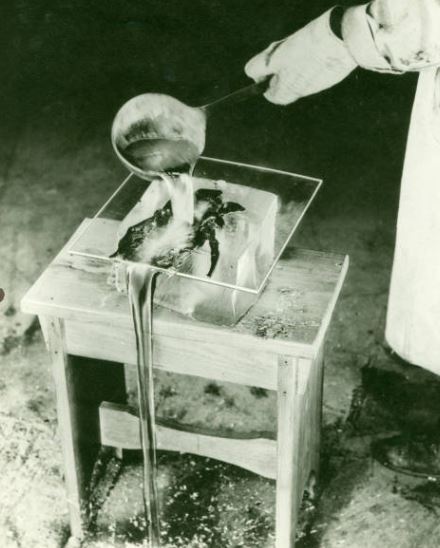
In the 1920s, the company developed safety and laminated glass, making automobiles and
buildings safer.
Then came World War II.
The factory shifted production and manufactured bulletproof glass for tanks and curved glass
nose cones for aircraft, including the B-25 and B-29.
And here’s a story you might not expect.
In 1939, Rossford glass traveled all the way to the South Pole with Admiral Richard Byrd. The
glass helped maintain a 150-degree temperature difference between the freezing conditions
outside and the interior of his laboratory.
Over the years, the company changed.
In 1986, Libbey-Owens-Ford acquired Pilkington. In 2006, it became part of Nippon Sheet Glass.
The name Libbey-Owens-Ford may no longer be on the building, but the legacy remains.
Glass is still made here today.
And it all started more than a century ago, right here in Rossford.