Stop 8 – The medieval town and fisher town
Walk along Shore Street past Oswald Lane, Miller Street, Big Vennel, Little Vennel to Burnside Place.
These are some of the oldest parts of Cromarty where the original medieval town would have stood. The earliest records of a settlement here go back to 1200 when it is recorded as a Royal Burgh and was noted to be protected by a castle. Being a Burgh was a good thing as you were allowed to trade, which made your town the centre of life for the surrounding area.
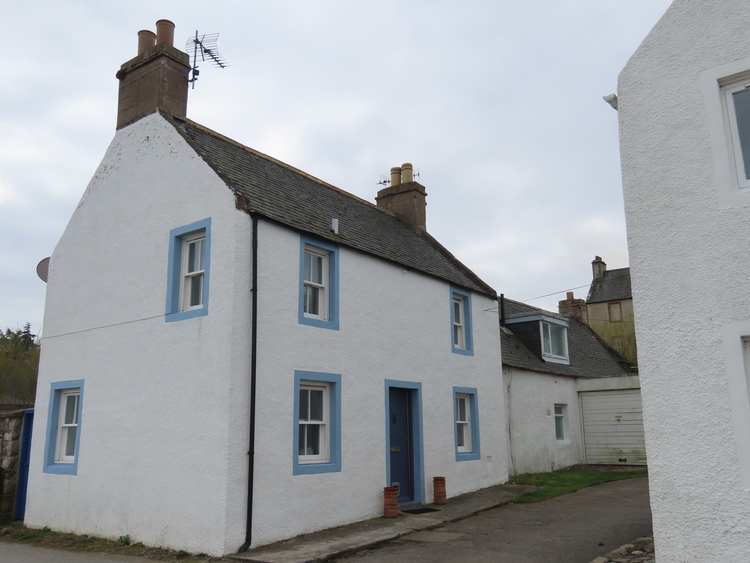
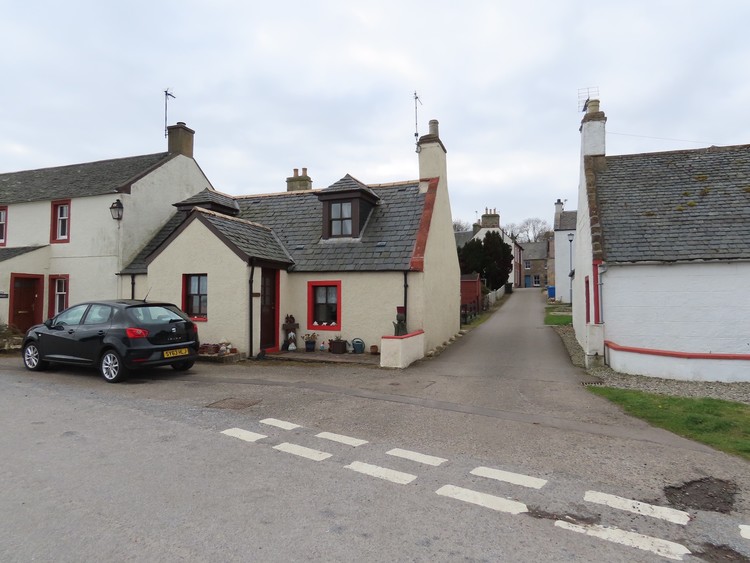
The houses and narrow streets you see here all run down towards the sea with only the gables facing the front. Many of these buildings would have been built in the Victorian period but will have followed the same pattern of settlement as the original buildings, some of which date back to medieval times. You will see very few windows in the gable ends and this is very common in older fishing communities. Buildings were never very wind and watertight so having the main front of your house facing the sea would have been asking for trouble.
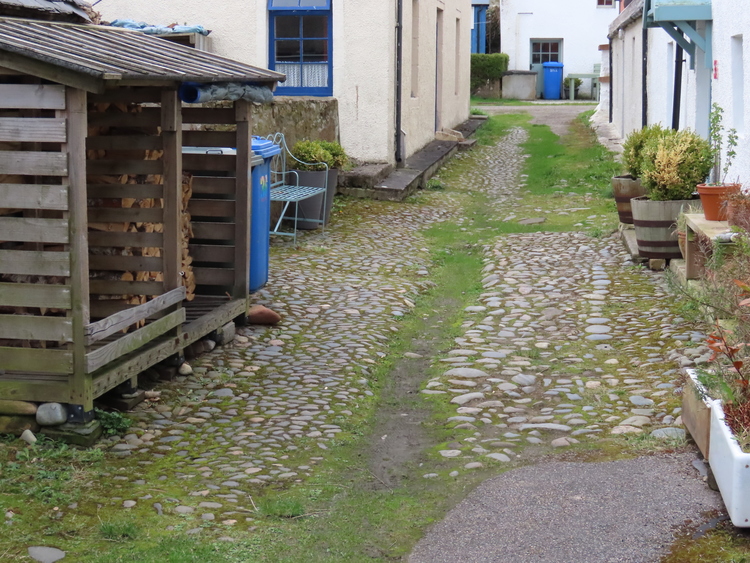
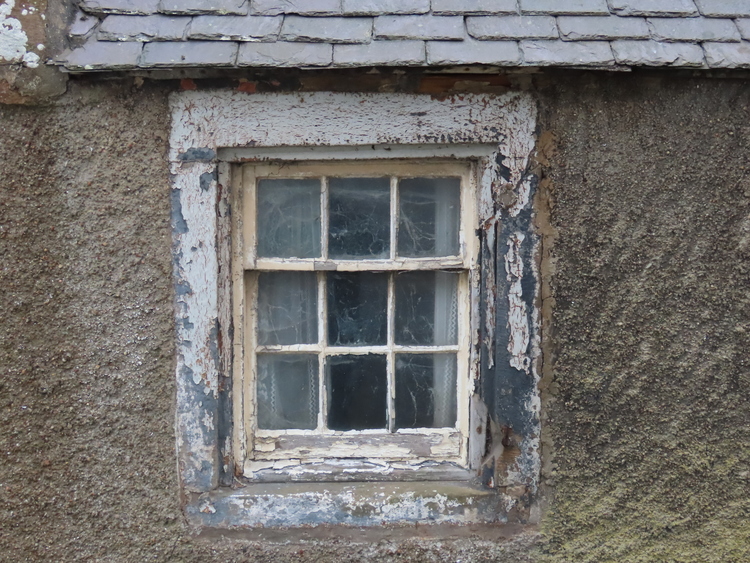
I love this part of Cromarty. It is so full of character with hidden corners, little architectural features and quirky decoration that surprise you when you look closely.
From here you get a choice – you can either take a walk up Causeway to a fascinating graveyard - trust me it is worth it but the road is quite steep – and then press Stop 9. If you want to miss this bit out then skip ahead to stop 10.