5. Islamic Houses
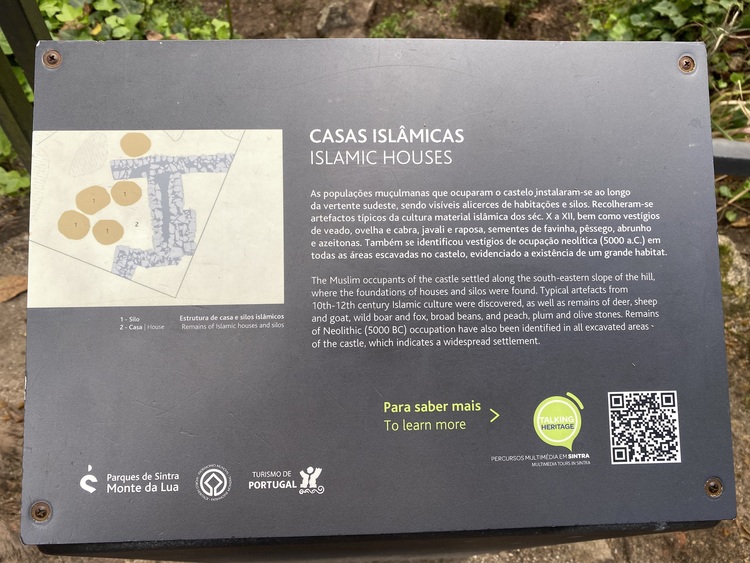
The Muslim occupants of the castle settled along the south-eastern slope of the hill, where the foundations of houses and silos were found.
This site was identified as containing the remains of inhabitation, silos and the foundations of a community oven. Based on the artefacts discovered here over the course of a series of archaeological digs – including fragments of pottery and ceramic recipients –, it has proven possible to reconstruct some of the typological characteristics of the Islamic material culture prevailing here between the 10th and 12th centuries, including the identification of pans, jugs, pots, amphoras, baking dishes, bowls and bottles.
The interior of these homes above all served for the women to prepare foodstuffs and to weave wool. The site has also yielded numerous instruments related with the latter practice ranging from spinning wheels, spindles in copper alloy, combing items and marble yarn spool fragments.
-
PEZ BALLESTA Y MÁS
-
PEZ GLOBO Y MÁS
-
PEZ BURRO PAYASO Y MÁS
-
PEZ PAYASO ROSADO Y MÁS
-
PEZ BURRA RAYADO Y MÁS
-
PEZ LEÓN
-
RANAS VENENOSAS
-
BEBÉS CAIMANES
-
MOJARRA OREJA AZUL
-
TORTUGAS CAIMÁN MORDEDORAS
-
SALVINIA
-
TORTUGA MORDEDORA COMÚN ALBINA
-
TORTUGAS DE ESTANQUE
-
PISCINAS COSTERAS
-
PULPO COMÚN
-
PECES LINTERNA
-
ANGUILAS MORENAS + MÁS
-
TÚNEL DE TIBURONES
-
MANTARRAYAS
-
CANGREJOS DE HERRADURA Y MÁS
-
PECES BOCONES Y MÁS
-
MEDUSA LUNA
-
ANTHIAS
-
PEZ CARDENAL PIJAMA
-
CABALLITOS DE MAR Y PEZ PIPA
-
ANGUILA LOBO Y MÁS
-
ORTIGA DE MAR
-
TANQUE DE CORAL VIVO