L.A.’s Iconic Lifeguard Towers
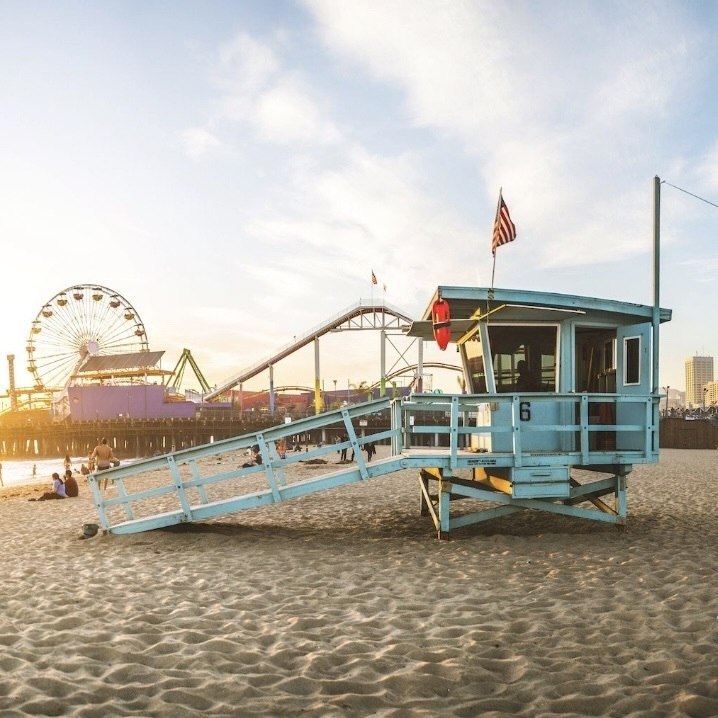
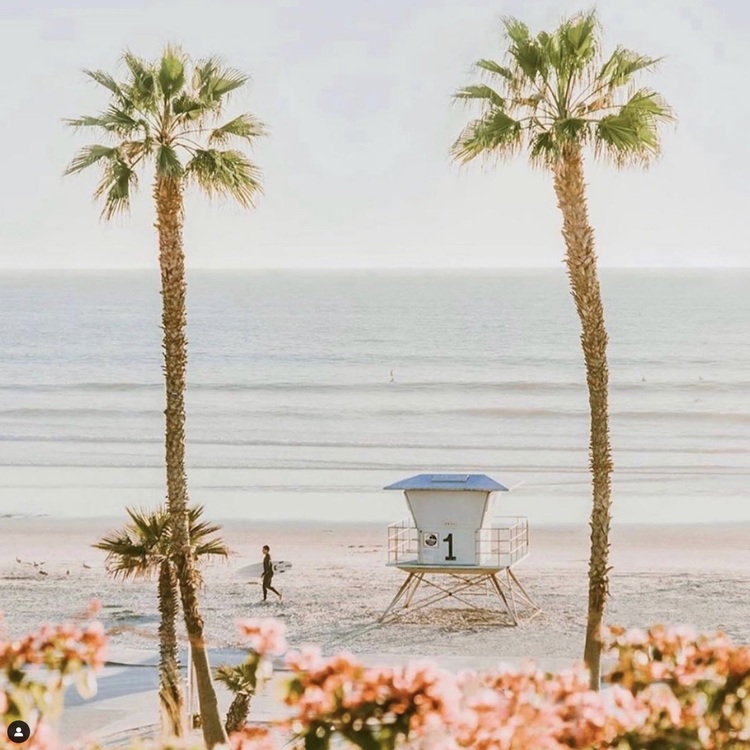
There are 158 lifeguard towers located along Los Angeles County’s coastline. These simple structures provide comfortable shelter for lifeguards help protect beachgoers from potential dangers. Here are some interesting facts about these iconic blue towers
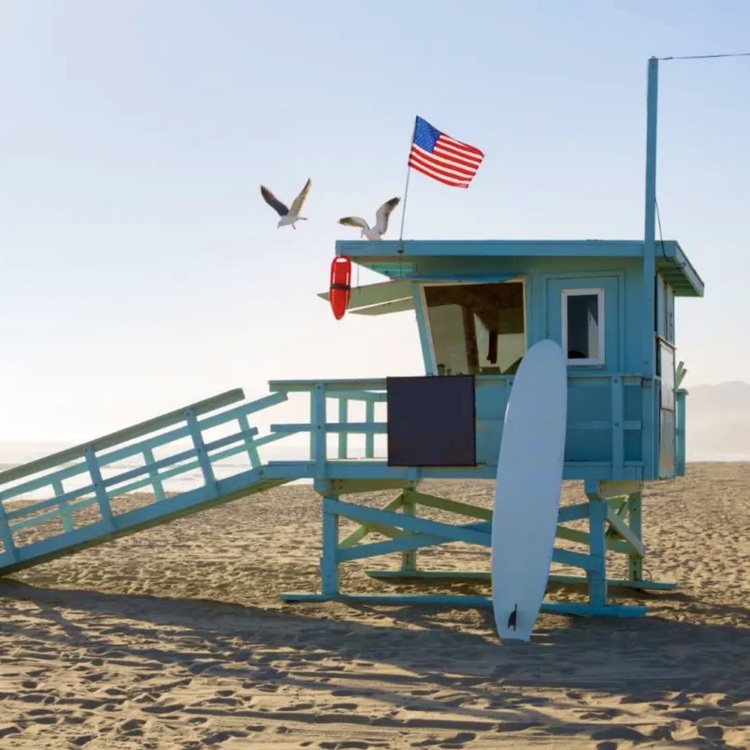
Many older towers used to have no roof, exposing lifeguards to the sun's harmful rays. The lifeguards nicknamed them "penalty boxes." Today's towers, based on the 1950s design, have broad eaves and angled windows that provide UV protection and reduce sun exposure.
An American flag flying indicates that the tower is currently manned by a lifeguard. The blackball flag is raised to warn swimmers if there are too many people in the water. A red flotation device, known as a can, hanging from the building, means the lifeguard is inside, not on the beach or in the water.
Lifeguard ToolsA bucket for washing sand and salt off their feet is one of the few pieces of gear kept permanently in the tower. When leaving, lifeguards take high-powered binoculars with them and fold down the tower's flaps to protect the angled windows.
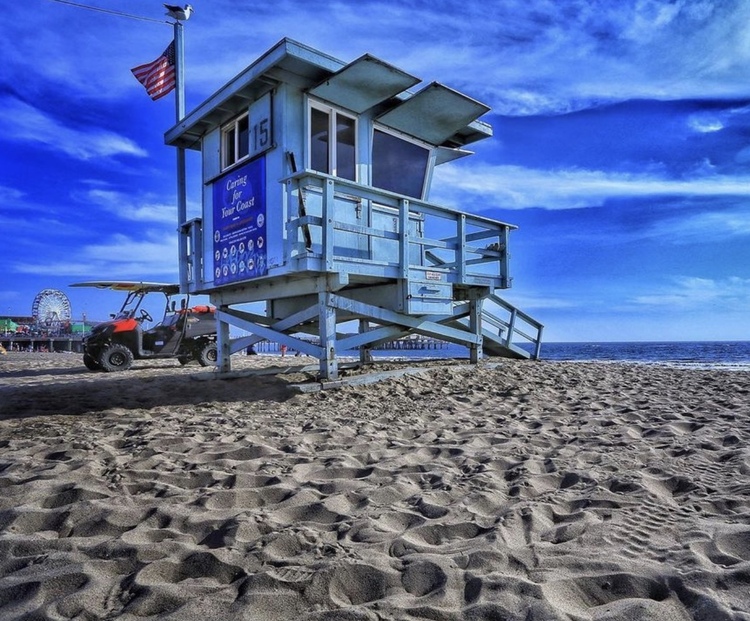
Before the mid-1970s, there were three different lifeguard services in Los Angeles: Santa Monica, L.A. City, and L.A. County. Each had different tower styles, ranging from fiberglass to wood, large to small, and painted white or blue. It wasn't until 2001 that the unified L.A. County lifeguard service adopted the blue wood tower as their standard.
Lifeguard towers are elevated for a better view of the beach and to protect against high tide waves. Most are moved inland in winter to avoid storm surges, then back out to their original positions in the spring. With El Niño seasons or varying sea levels from climate change, the towers may need to be repositioned.
-
PEZ BALLESTA Y MÁS
-
PEZ GLOBO Y MÁS
-
PEZ BURRO PAYASO Y MÁS
-
PEZ PAYASO ROSADO Y MÁS
-
PEZ BURRA RAYADO Y MÁS
-
PEZ LEÓN
-
RANAS VENENOSAS
-
BEBÉS CAIMANES
-
MOJARRA OREJA AZUL
-
TORTUGAS CAIMÁN MORDEDORAS
-
SALVINIA
-
TORTUGA MORDEDORA COMÚN ALBINA
-
TORTUGAS DE ESTANQUE
-
PISCINAS COSTERAS
-
PULPO COMÚN
-
PECES LINTERNA
-
ANGUILAS MORENAS + MÁS
-
TÚNEL DE TIBURONES
-
MANTARRAYAS
-
CANGREJOS DE HERRADURA Y MÁS
-
PECES BOCONES Y MÁS
-
MEDUSA LUNA
-
ANTHIAS
-
PEZ CARDENAL PIJAMA
-
CABALLITOS DE MAR Y PEZ PIPA
-
ANGUILA LOBO Y MÁS
-
ORTIGA DE MAR
-
TANQUE DE CORAL VIVO