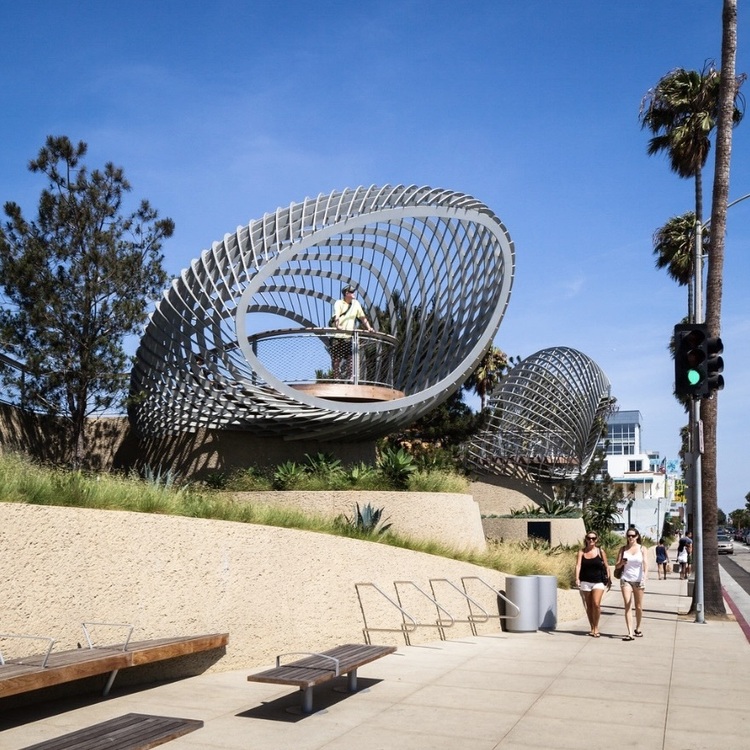
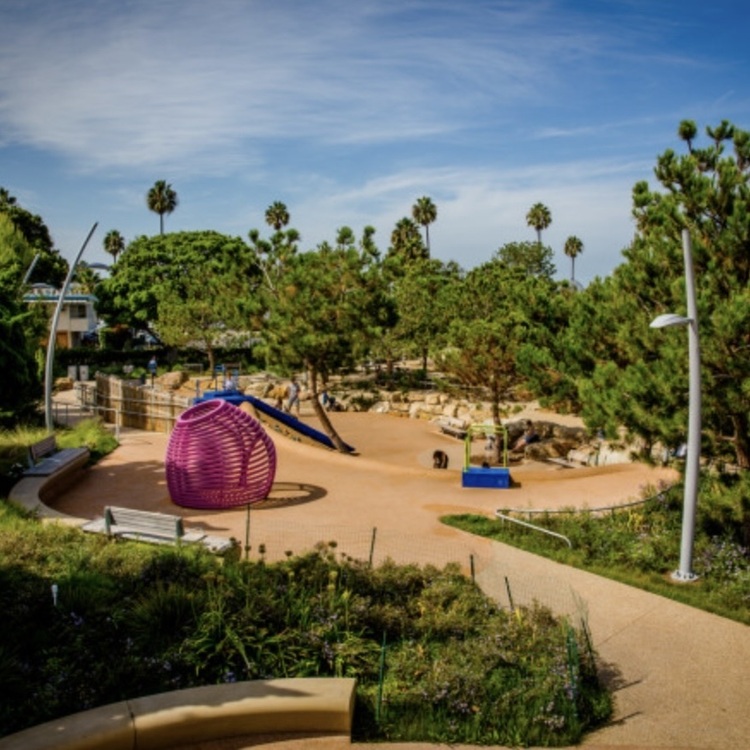
Tongva Park & Santa Monica History
The 6 acre Tongva Park named after the indigenous Tongva people who have lived in the Los Angeles area
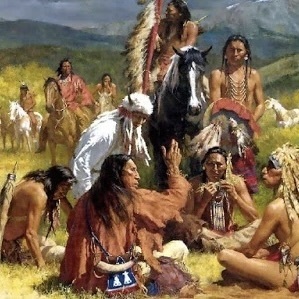
Santa Monica’s story begins long before the arrival of European explorers and deeply rooted in the rich heritage of the Tongva people, who inhabited this region for thousands of years. They called this land "Kecheek" and lived harmoniously with its diverse ecosystems, drawing sustenance from the abundant natural resources provided by the Pacific Ocean and surrounding landscapes.
The road across the street from the Park is Moomat Ahiko and means “Breath of the Ocean” in the Tongva language.
In the late 18th century, Spanish explorers set foot on these shores, driven by the desire to claim new lands for the Spanish Crown. Led by Gaspar de Portolá, they established the first European presence in this area. However, it wasn't until the founding of the Mission San Gabriel Arcángel in 1771 that the Spanish influence took hold.
As the mission system expanded, so did the reach of the Spanish Empire. Along the historic El Camino Real, which connected dozens of missions along the California coast. The Santa Monica area became a vital stop on this trail.
In the early 19th century Mexico gained independence from Spain and California, including Santa Monica, became part of the newly formed Mexican Republic. The Mexican period brought some changes to the area, including the secularization of the missions. Land grants known as ranchos were established, and the region began to see increased agricultural and ranching activities.
Following the Mexican-American War, the Treaty of Guadalupe Hidalgo in 1848 transferred this land to the United States. However, it wasn't until the completion of the transcontinental railroad in 1875 that Santa Monica's true potential as a seaside resort town was realized.
Today, Santa Monica is a thriving coastal city, blending its rich history with modern amenities. The Tongva people's legacy endures through the work of local organizations promoting Native American culture and preserving their heritage.
-
PEZ BALLESTA Y MÁS
-
PEZ GLOBO Y MÁS
-
PEZ BURRO PAYASO Y MÁS
-
PEZ PAYASO ROSADO Y MÁS
-
PEZ BURRA RAYADO Y MÁS
-
PEZ LEÓN
-
RANAS VENENOSAS
-
BEBÉS CAIMANES
-
MOJARRA OREJA AZUL
-
TORTUGAS CAIMÁN MORDEDORAS
-
SALVINIA
-
TORTUGA MORDEDORA COMÚN ALBINA
-
TORTUGAS DE ESTANQUE
-
PISCINAS COSTERAS
-
PULPO COMÚN
-
PECES LINTERNA
-
ANGUILAS MORENAS + MÁS
-
TÚNEL DE TIBURONES
-
MANTARRAYAS
-
CANGREJOS DE HERRADURA Y MÁS
-
PECES BOCONES Y MÁS
-
MEDUSA LUNA
-
ANTHIAS
-
PEZ CARDENAL PIJAMA
-
CABALLITOS DE MAR Y PEZ PIPA
-
ANGUILA LOBO Y MÁS
-
ORTIGA DE MAR
-
TANQUE DE CORAL VIVO