Butternut
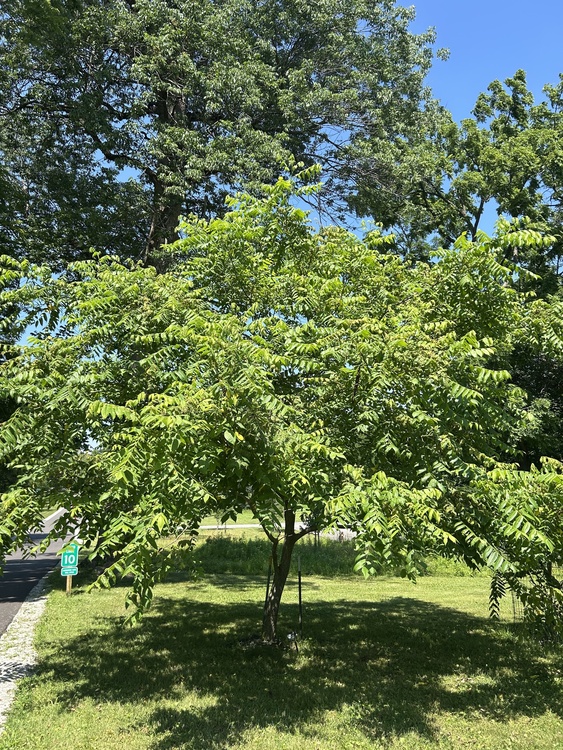
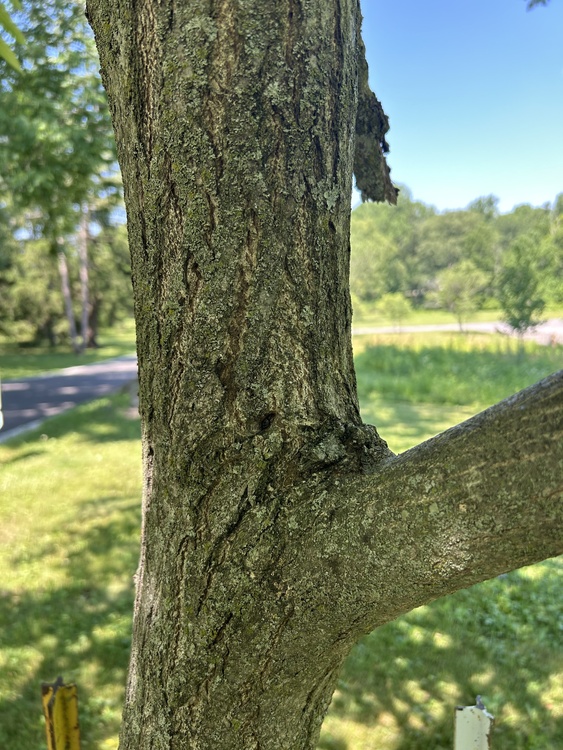
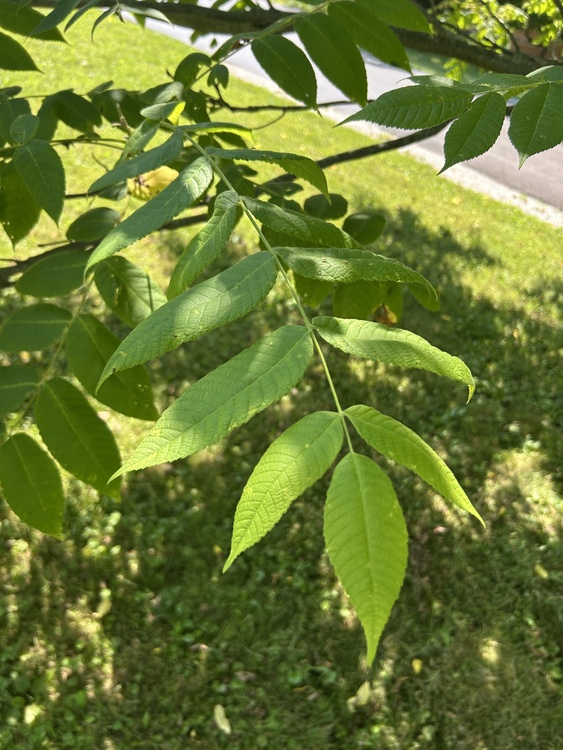
Let’s take a moment to observe the Butternut, also known as the White Walnut or Juglans cinerea. This medium-sized tree, reaching heights of 40 to 60 feet, is becoming less common due to an accidentally introduced fungus. Unlike the longer-lived Black Walnut, the Butternut rarely lasts beyond 80 years. Interestingly, both trees are allelopathic, meaning they release chemicals that inhibit the growth of nearby plants. The Butternut is used similarly to the Black Walnut, with its fruit serving as a food source for red, fox, and gray squirrels. Its mature bark is gray, featuring broad, vertical, flat-topped ridges separated by deep fissures. In May and June, the tree develops flowers, soon followed by oblong nuts encased in green husks that turn brown in the fall. As winter approaches, these husks deteriorate, revealing ridged nuts with sharp, jagged, deeply corrugated surfaces. Historically, the husks were used by Confederate troops during the Civil War to produce a yellow-orange dye used to color their uniforms. The leaves, which can grow up to 2 feet long, consist of 11 to 17 yellowish-green, serrated, slightly hairy leaflets. Sticky to the touch and aromatic when crushed, these leaves are usually the first to fall in late summer.
-
Welcome and Tour Information
-
History of the Town
-
1. Posse House
-
2. Barber
-
3. Haul Wagon
-
4. Stamp Mill
-
5. Cowboy Bar
-
6. Mercantile
-
7. Hotel
-
8. Church
-
9. Blacksmith
-
10. 70's Building
-
11. Water Drilling Rig