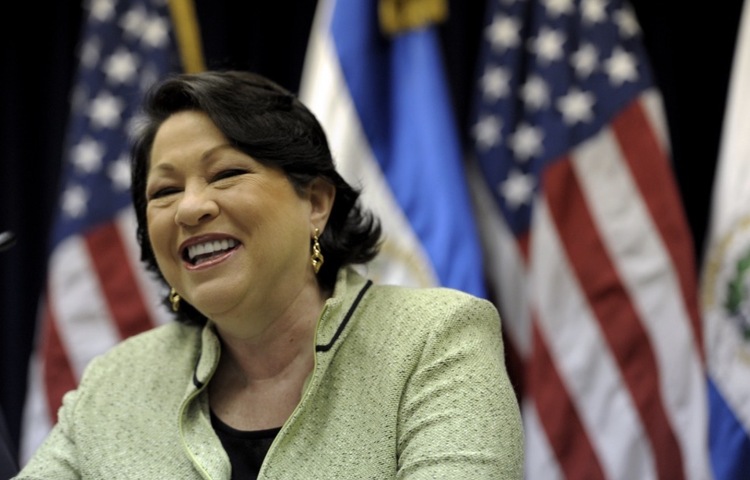
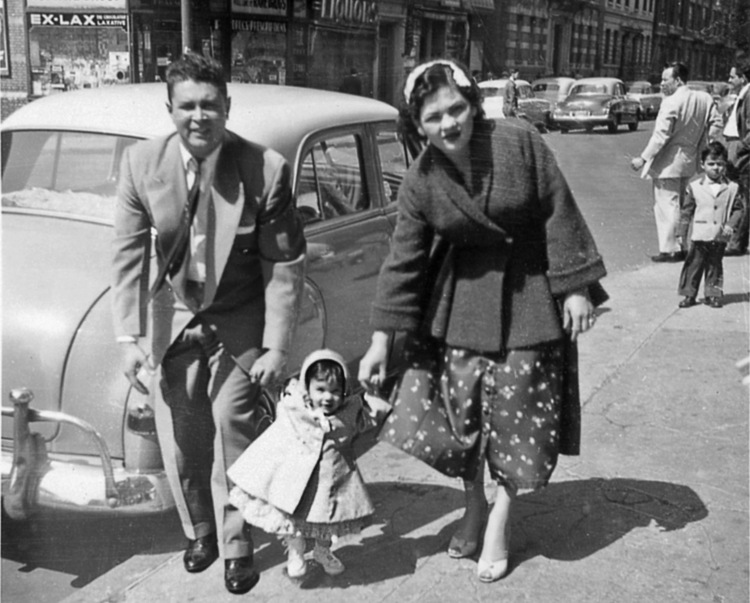
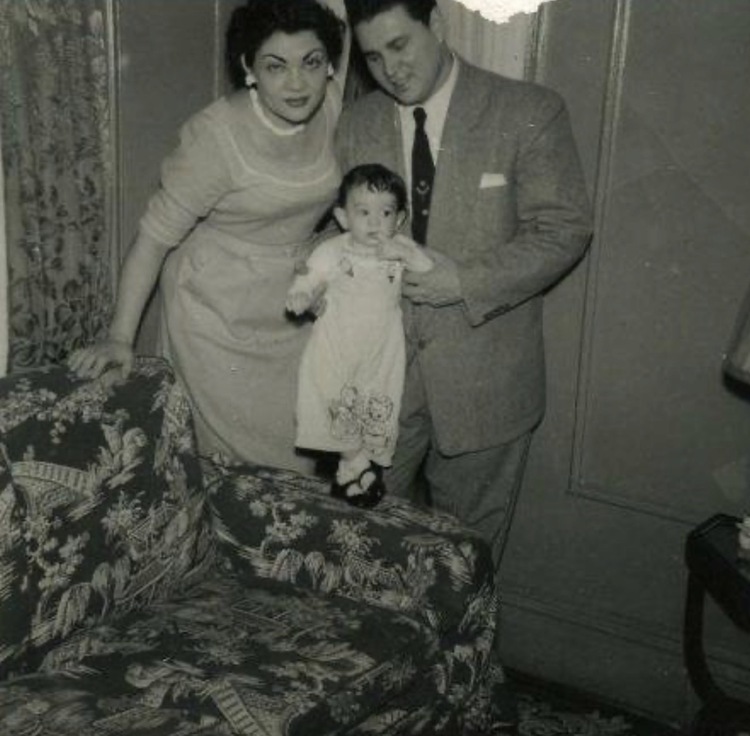

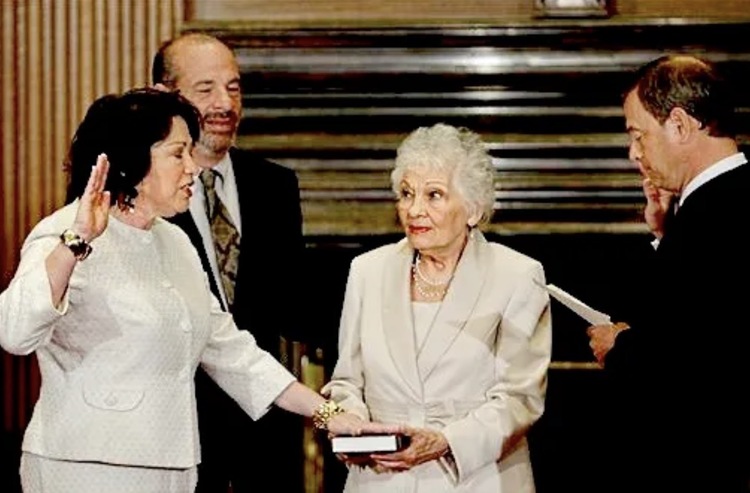
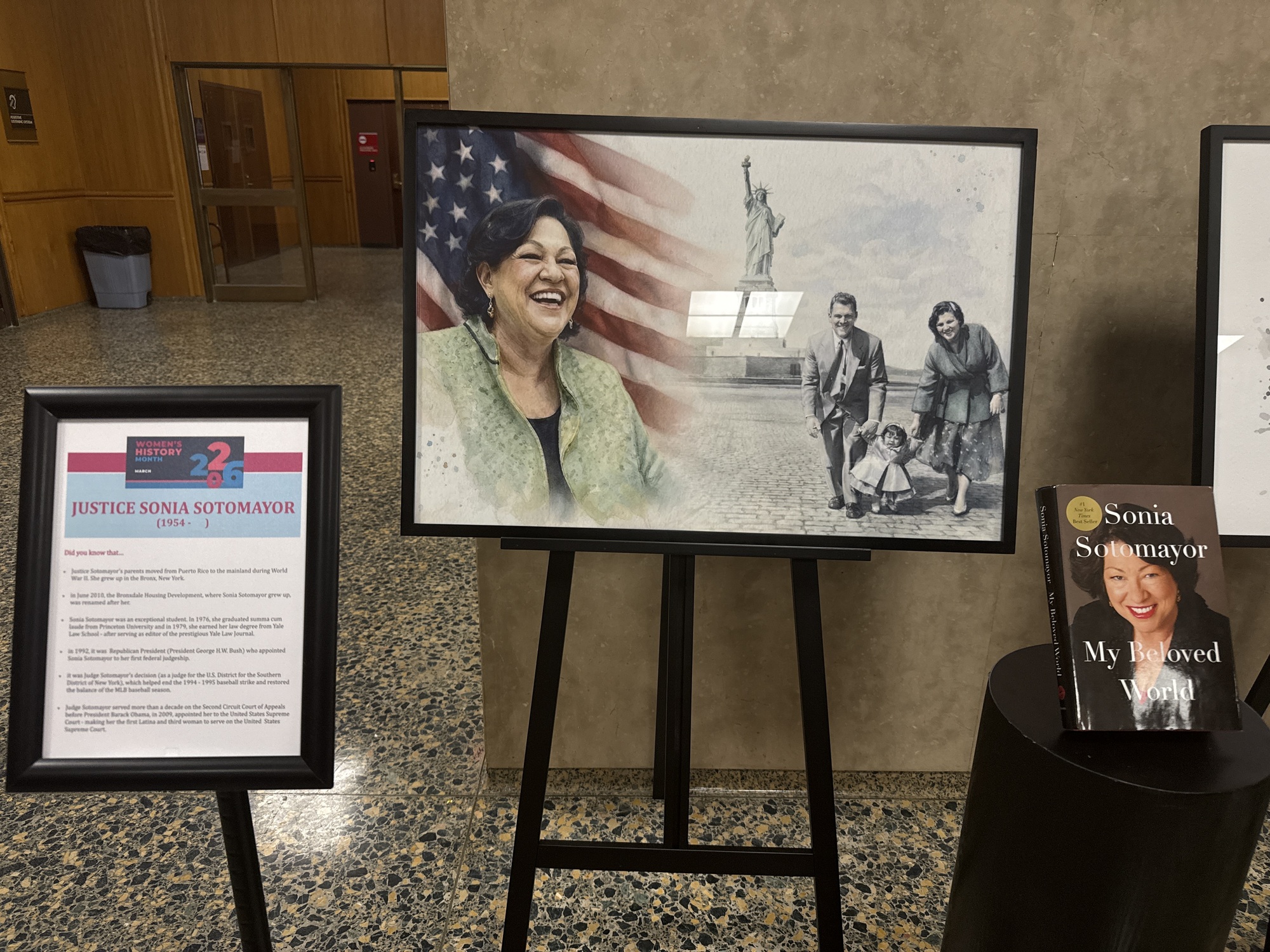
Justice Sotomayor: Law, Life, and Lived Experience.
Sonia Sotomayor is often described as one of the most relatable and openly personal justices on the U.S. Supreme Court. She grew up in a public housing project in the Bronx, the daughter of Puerto Rican parents, and has spoken frequently about how her childhood shaped her sense of justice and fairness.
As a child, she was diagnosed with Type 1 diabetes and lost her father at a young age. Her mother, a nurse, pushed her and her brother to focus on education, which ultimately led Sotomayor to attend Princeton University and later Yale Law School. That journey—from the Bronx to the nation’s highest court—became a central part of her story and public identity.
After graduating from Yale Law School, Sotomayor began her legal career as a prosecutor in the New York County District Attorney's Office. There, she handled a wide range of criminal cases and quickly developed a reputation as a well-prepared and confident trial lawyer. The experience gave her extensive time in the courtroom and a practical understanding of how the justice system operates day to day.
She later moved into private practice, where she worked on complex commercial litigation. In 1992, she was appointed to the United States District Court for the Southern District of New York, serving as a federal trial judge and presiding over both civil and criminal cases. A few years later, she was elevated to the United States Court of Appeals for the Second Circuit, where she reviewed decisions from lower courts and helped shape legal precedent across the region. Colleagues often described her as meticulous, practical, and deeply attentive to the details of each case.
In 2009, Sotomayor joined the Supreme Court of the United States, becoming the first Latina justice in the Court’s history. On the Court, she is known for her energetic questioning during oral arguments and for writing opinions and dissents that speak directly about real-world consequences—especially in cases involving civil rights, criminal justice, and equality.
Many people also know her for her warmth in public settings. She frequently visits schools, writes children’s books, and encourages young people—especially those from underrepresented backgrounds—to pursue law and public service.
Justice Sotomayor is often seen as a justice who combines rigorous legal thinking with a strong awareness of lived experience.
-
Judge Judith Kaye: A Woman of Many Firsts.
-
Supreme Court Justice Ketanji Brown Jackson: From segregation to the Supreme Court.
-
Justice Sandra Day O’Connor: A Judge who had been mending fences all of her life.
-
Justice Sotomayor: Law, Life, and Lived Experience.
-
Arabella Mansfield: The woman who opened the door to the Bar.
-
Constance Baker Motley: Climbing ladders and breaking glass ceilings.
-
Judge Jane Bolin: Believed that love and the law were allies.