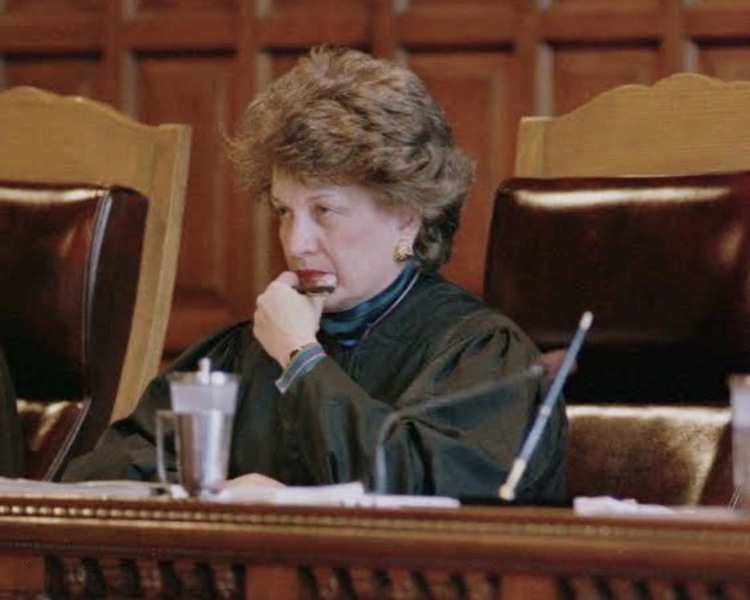
Judge Judith Kaye: A Woman of Many Firsts.
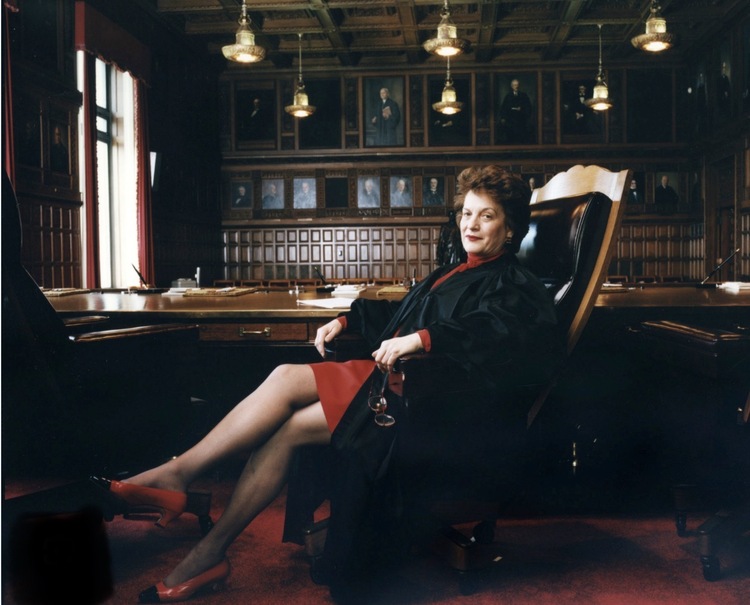
A young woman, then known as Judith Ann Smith, and later as Judge Judith Kaye, dreamed of being a world class journalist. Graduating high school at the young age of fifteen, she attended Barnard College in New York City, several hours away from her family farm in Monticello, New York, where she was the editor-in-chief of the college campus Barnard Bulletin.
Upon graduation from college, though, Judge Kaye was assigned to the social desk at a daily newspaper in New Jersey. Wanting more from her career, she enrolled in night school at New York University Law School with the hope that a law degree would aid her in becoming an international journalist.
But the law captivated her. Growing up, she had said, her family “never knew a lady lawyer.” There were only 10 women in her law school class of 300, no female faculty, and law firm hiring of women was in many firms based on a quota. Yet she soon realized that her interests lay more in the law than in journalism and she used her journalistic skills to succeed in law school, her career as a lawyer and a judge, and in her legal writings.
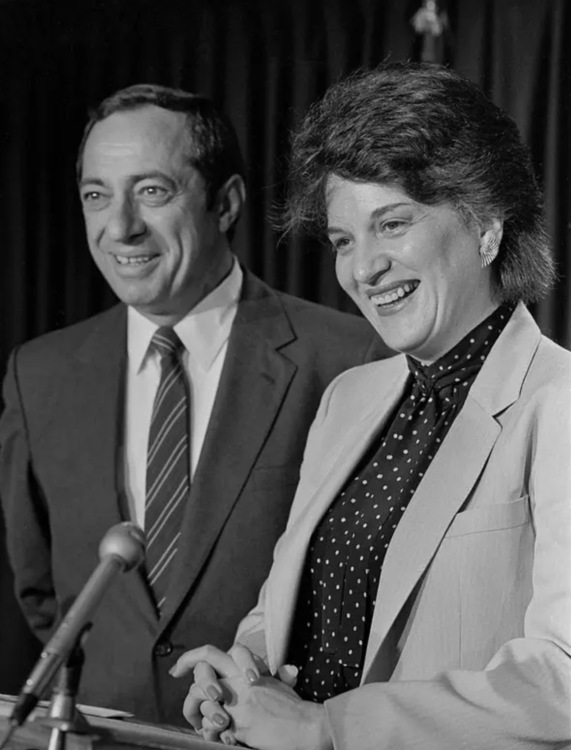
Undeterred by the barriers faced by female lawyers, her career was met with many firsts- the first woman partner in a law firm, the first woman named to the New York Court of Appeals, and the first woman to hold the position of Chief Judge of the Court of Appeals. She turned down the opportunity to become the first woman Attorney General of the United States and to sit on the Supreme Court of the United States, instead choosing to focus on the needs of the Court of Appeals and the New York State Unified Court System.
Judge Kaye was sworn in as Chief Judge of the New York State Court of Appeals on March 23, 1993. And she noted during her swearing in speech, “how fortuitous, how marvelous, that this month- Women’s History Month- women should assume significant positions within the legal system of this State and this country, both for the symbol of another open door and for the particular symbol of the door that has been opened.” How fortuitous it was that the first woman sworn in as Chief Judge would be sworn in during an important month celebrating women.
Chief Judge Kaye was a prolific and gifted writer whosewritings focused on issues related to gender, women, and children, including women’s progress in big law firms, gender-neutral language in the law for which she was a strong and leading advocate, and issues involving children including permanency and early intervention.
Her advocacy extended to growing New York State’s problem-solving courts, including drug treatment courts, family treatment courts, and integrated domestic violence courts. While recognizing, in her words, that judges have done a fine job of delivering justice and providing due process, she also recognized that conventional case processing may dispose of the legal issues in these cases, but it does little to address the underlying problems that return people to the courts again and again. Seeing the need for a different approach and recognizing the effectiveness of problem-solving courts, Chief Judge Kaye promoted the expansion of such courts in New York.
Chief Judge Kaye’s legacy was filled with many firsts, and an energy of dedication to her work and growth and progress in the court system she led. Perhaps most importantly, Judge Kaye believed in “the dignity of every human being,” values she said stayed with her throughout her life and helped to shape the legacy she left behind.
-
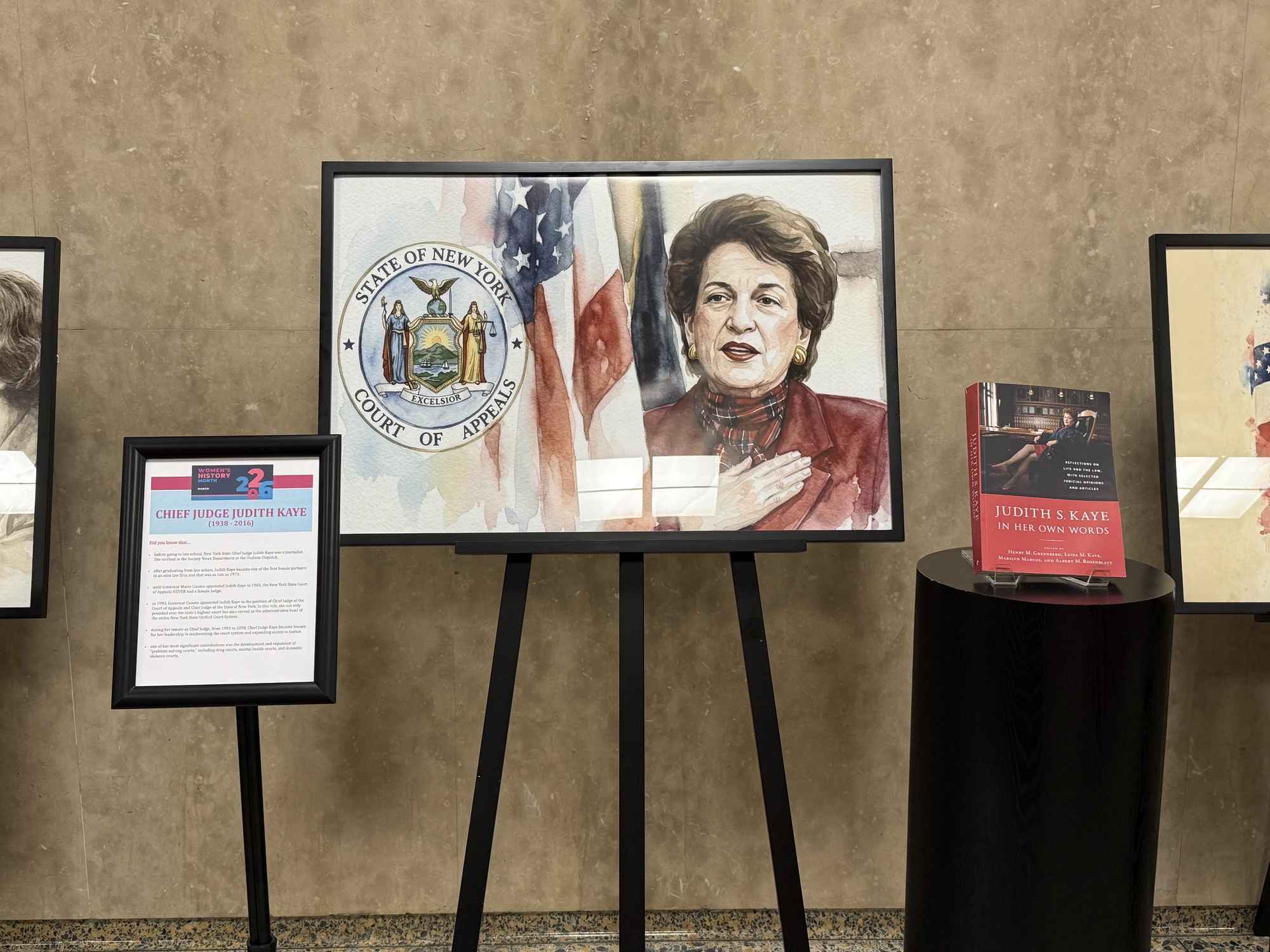
Judge Judith Kaye: A Woman of Many Firsts.
-
Supreme Court Justice Ketanji Brown Jackson: From segregation to the Supreme Court.
-
Justice Sandra Day O’Connor: A Judge who had been mending fences all of her life.
-
Justice Sotomayor: Law, Life, and Lived Experience.
-
Arabella Mansfield: The woman who opened the door to the Bar.
-
Constance Baker Motley: Climbing ladders and breaking glass ceilings.
-
Judge Jane Bolin: Believed that love and the law were allies.