
Our sense of touch helps us understand the world in ways our eyes can’t. The wetlands are full of textures — rough and smooth, soft and spiky, cool and warm — each one telling us something different about the plants that grow here.
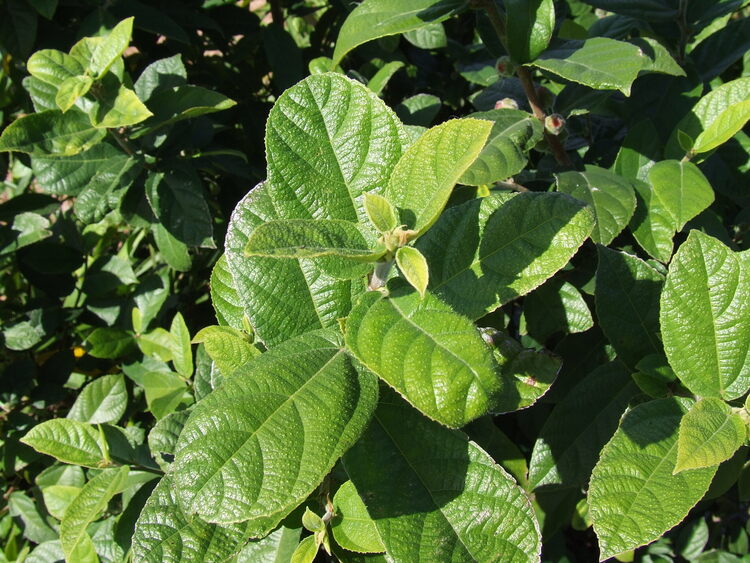
Feel the rough surface of the Sandpaper Fig, Ficus coronata. Its leaves are coarse to the touch — a natural sandpaper once used by Aboriginal people for smoothing tools and wood.
Run your fingers gently over the Bush Basil, Plectranthus graveolens. Its soft, fuzzy leaves release a rich, herbal scent when you touch them.
The Hairpin Banksia, Banksia spinulosa, is named for the shape of its flower spikes. Notice the contrast between its tough leaves and the soft, velvety texture of its blooms.
And the Paperbark Tree, Melaleuca quinquenervia, has layers of papery bark that peel away in thin, soft sheets — nature’s own wrapping paper.
As you move along the trail, take time to explore the textures that surround you. Each one tells a story of how these plants survive and thrive in the wetlands environment.