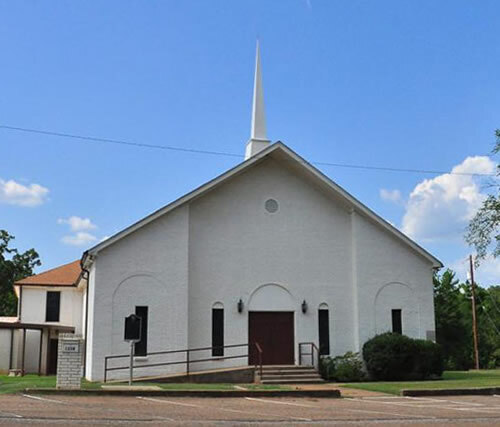

Now we head out to the Shiloh community, one of Gregg County’s most significant historic settlement located at 1331 S Shiloh Dr, in the community of White Oak. After the Civil War, newly freed Black families established Shiloh as a place of safety, faith, and opportunity. Oral tradition credits its founding to Butcher Christian, a formerly enslaved man, along with his former enslaver Gideon Christian and church organizer Reverend John Baptist. Together, they organized Shiloh Baptist Church in 1871 on three acres of land donated by Butcher Christian.
The first Shiloh school stood beside the church as a modest log building that served generations of children until it was destroyed by a storm in the 1890s. In 1920, the community built a new two room school about a half mile away, with funding support from the Rosenwald Program, a national effort to improve educational opportunities for Black students across the South. The high school closed in 1949, and the end of segregation closed the rest of the school in 1966, when students were transferred to White Oak Independent School District. Among its graduates was Master Sergeant Buford Johnson, a highly decorated Tuskegee Airman who completed his studies at Shiloh School in 1945.
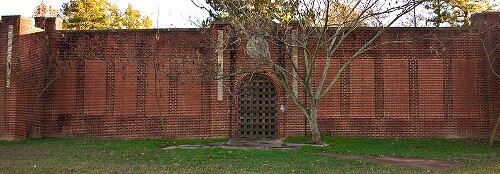
Adjacent to the church is a cemetery with graves dating back to 1882, honoring the early residents who shaped Shiloh’s legacy. The community’s journey through slavery, freedom, and segregation remains one of the most powerful stories in East Texas, reflecting a lasting commitment to education, dignity, and resilience that continues to inspire today.