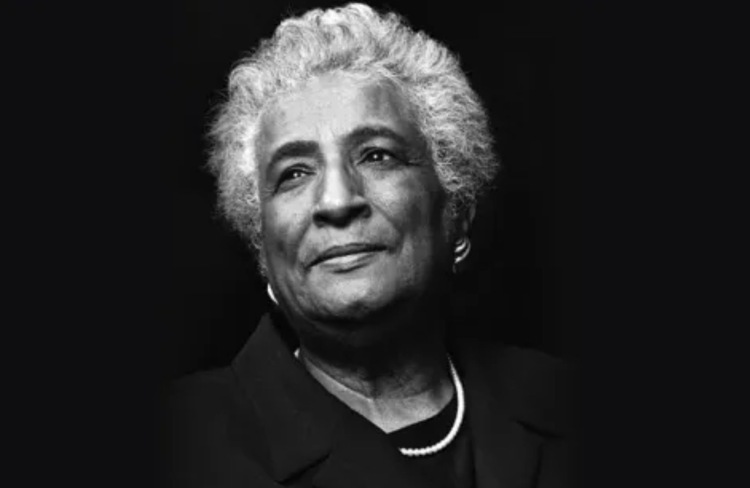
Judge Constance Baker Motley: Climbing ladders and breaking glass ceilings.
Judge Constance Baker Motley once described herself as "...the kind of person who would not be put down. I rejected any notion that my race or sex would bar my success in life."
And so it was that Constance Baker Motley climbed every ladder and broke every glass ceiling that was placed above her.
During the process of breaking glass ceilings meant to keep her from fulfilling her dreams, she was able to shatter and take down some glass ceilings meant to hold others down.
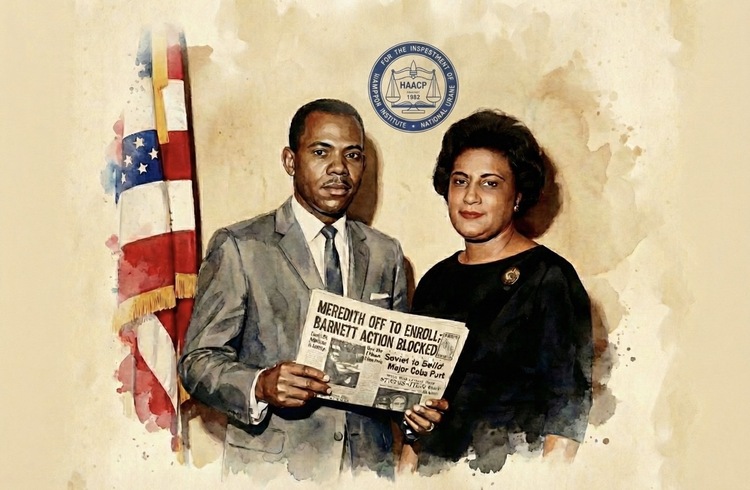
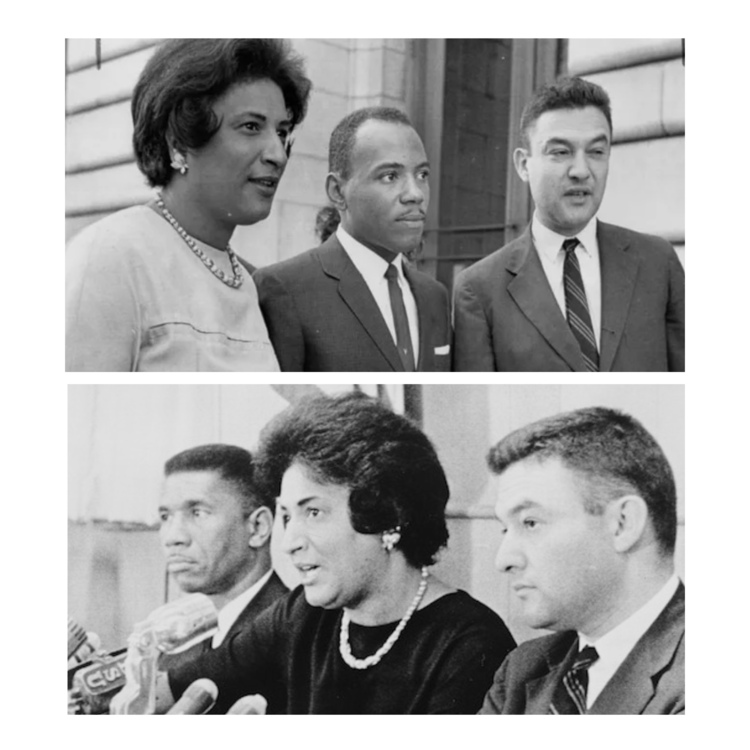
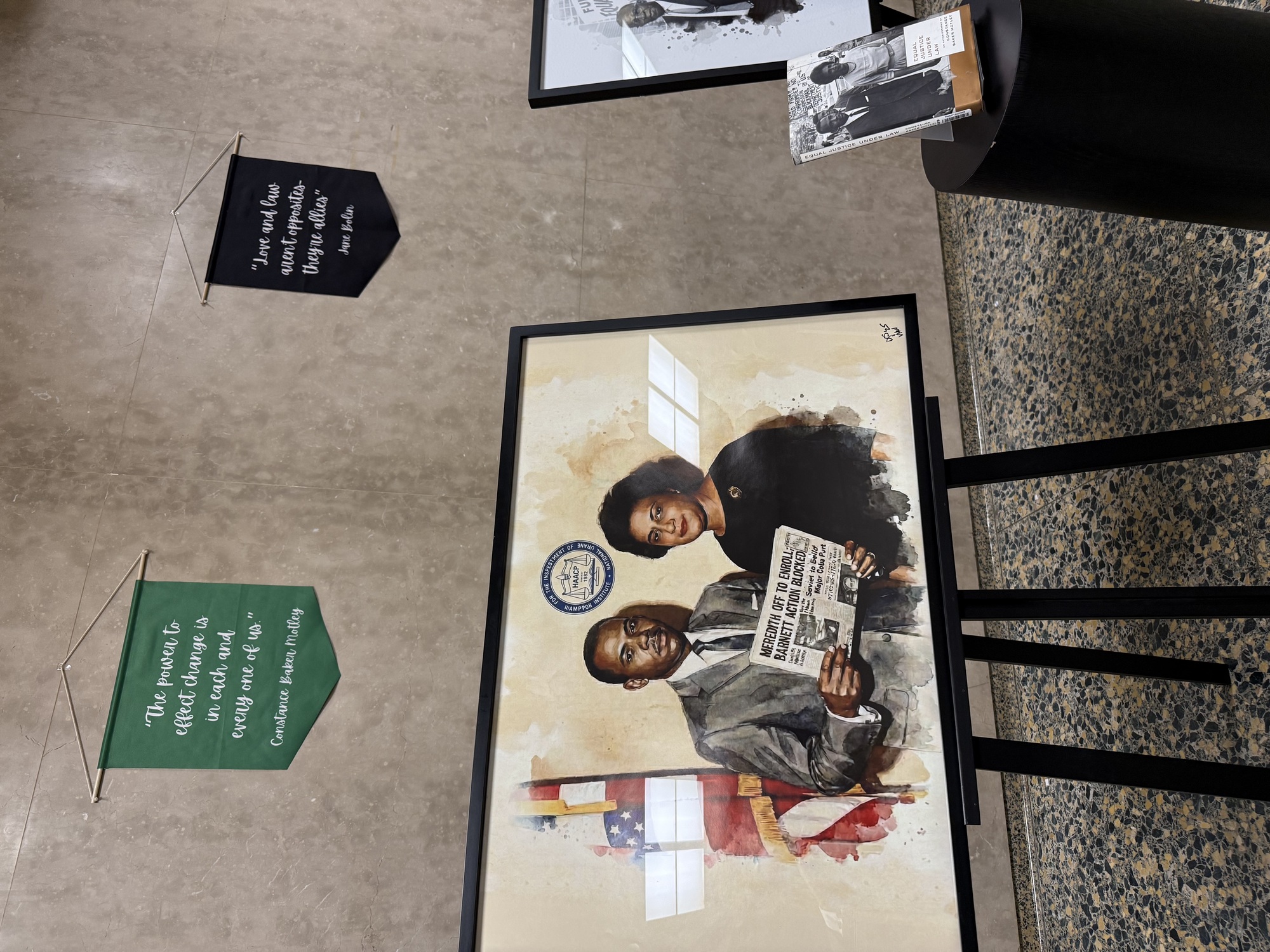
For example, in 1962, as Deputy Counsel of the NAACP's Legal Defense Fund, working along side NAACP leader Medgar Evers, Constance Baker Motley forced the University of Mississippi (which had never enrolled a black student) to admit its first black student - James Meredith.
Even with that success, barriers and challenges (like the 1963 assassination of her friend and colleague Medgar Evers), remained. But, like she said, those challenges would never keep "her down". So, true to herself, Constance Baker Motley kept climbing and breaking ceilings.
For example, in 1961 she was the first Black woman to argue a case before the United States Supreme Court. And in 1964 more glass from the ceiling would fall to the floor when Constance Baker Motley became the first Black woman elected to the New York State Senate.
And, yet again in 1965, she found herself shattering another glass ceiling when she was elected as the first woman the serve as Manhattan Burrough President.
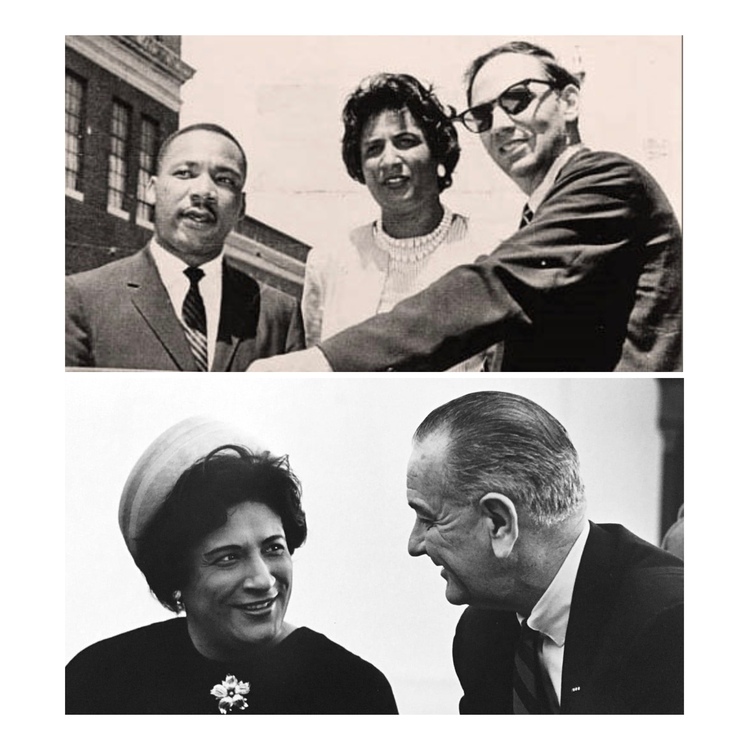
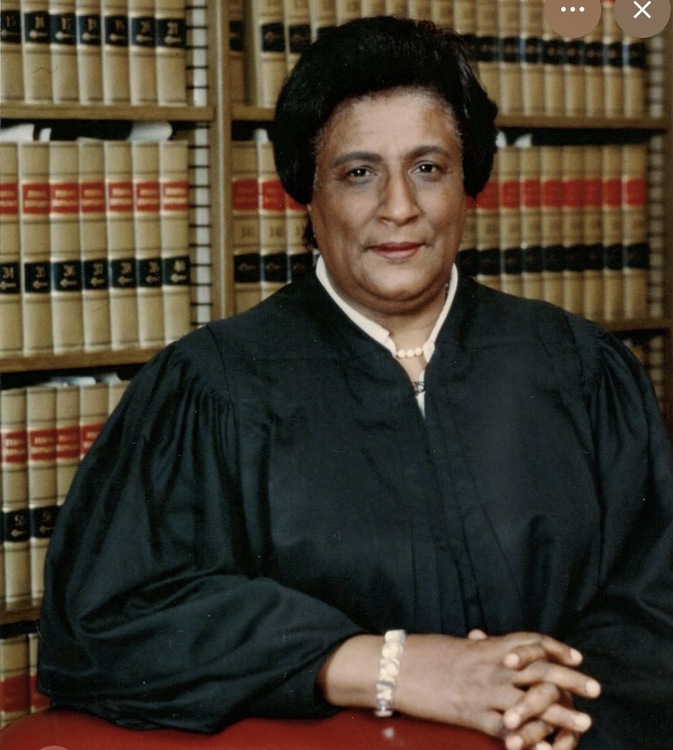
Finally, in 1966, after President Lyndon Johnson nominated her to serve as a judge on the United States District Court for the Southern District of New York, Mrs. Constance Baker Motley became our nation's first black female federal judge. At that point, with hundreds of pieces of the "federal glass ceiling" on the floor, the path for a black woman to climb the ladder to our nation's highest court was clear.
As a result, on June 30, 2022, after taking both the Constitutional Oath (administered by Chief Justice John Roberts) and the Judicial Oath (administered by retired Justice Stephen Breyer) Ketanji Brown Jackson became the first black woman to serve as a United States Supreme Court Justice - on a ladder and path cleared for her by trailblazers like Judge Constance Baker Motley.
-
Ebony and Jet Magazines inspired and informed a whole new generation of leaders, lawyers and judges.
-
Judge Thurgood Marshall goes from getting revenge to demanding respect.
-
Judge Constance Baker Motley: Climbing ladders and breaking glass ceilings.
-
Judge Jane Bolin: Believed that love and the law were allies.
-
Judge Reuben Davis: Cleared a broad path for others to follow.
-
Chief Judge Rowan Wilson of the New York Court of Appeals: Setting out to do good.
-
Supreme Court Justice Ketanji Brown Jackson: From segregation to the Supreme Court.
-
Robert Morris risked his law license and his own life so that others could have their liberty.
-
Jet and Ebony magazines: Turned young readers into adult leaders.