The Romantic Ruin and it's history.
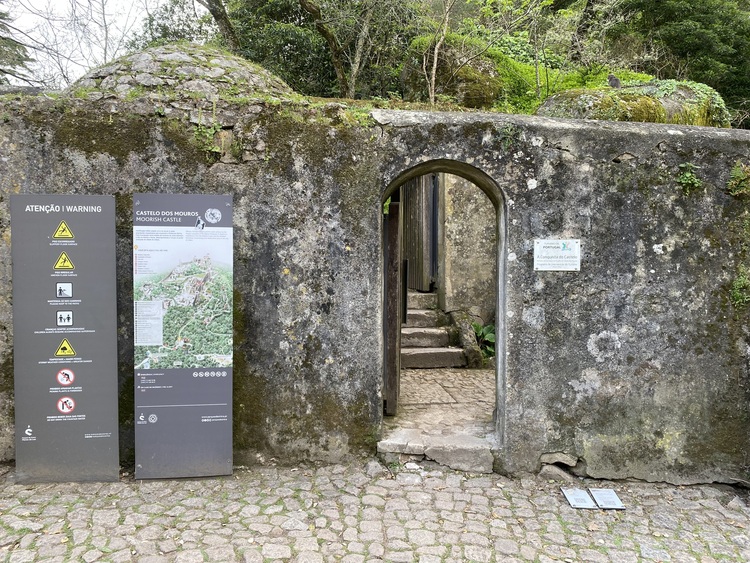
One of the most famous Moorish attactions in Sintra is the Castle of the Moors, also known as Castelo dos Mouros in Portuguese. It dates back to the 8th and 9th centuries during the period of Muslim rule in the Iberian Peninsula. Originally built as a military stronghold, the castle played a crucial role in defending the region against invading forces.
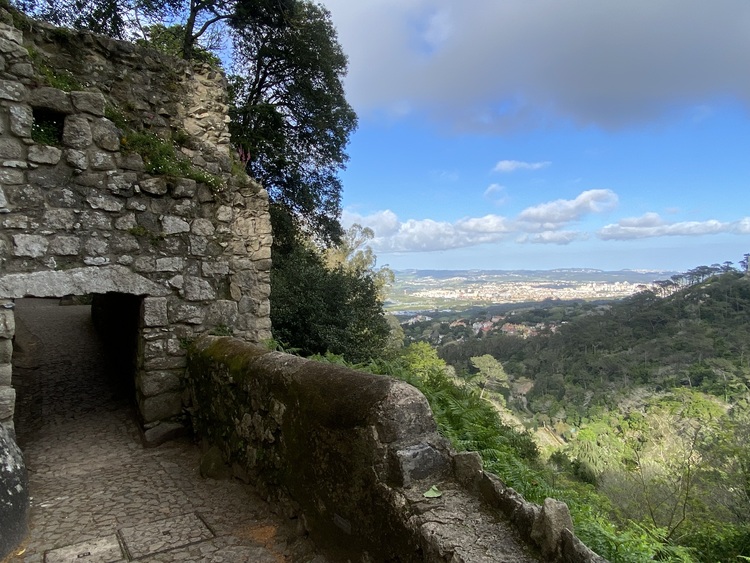
Constructed atop a steep hill, the Moorish Castle offered strategic advantages, including commanding views of the surrounding landscape and coastline. Its defensive walls, fortified towers, and intricate layout showcased the architectural prowess of the Moorish builders. Over the centuries, the castle underwent several expansions and modifications, reflecting the shifting political and military landscape of the region.
In the 12th century, after the Christian Reconquista of Portugal, the Moorish Castle fell under the control of the Kingdom of Portugal. Despite its strategic significance, the castle gradually lost its military importance over time and fell into disrepair.
Fast forward to the 19th century, during the Romantic period in Europe, Sintra experienced a resurgence in popularity among artists, writers, and nobility, drawn to its picturesque landscapes and historic ruins. Among the admirers of Sintra was King Ferdinand II of Portugal, who embarked on a project to restore and beautify the Moorish Castle.
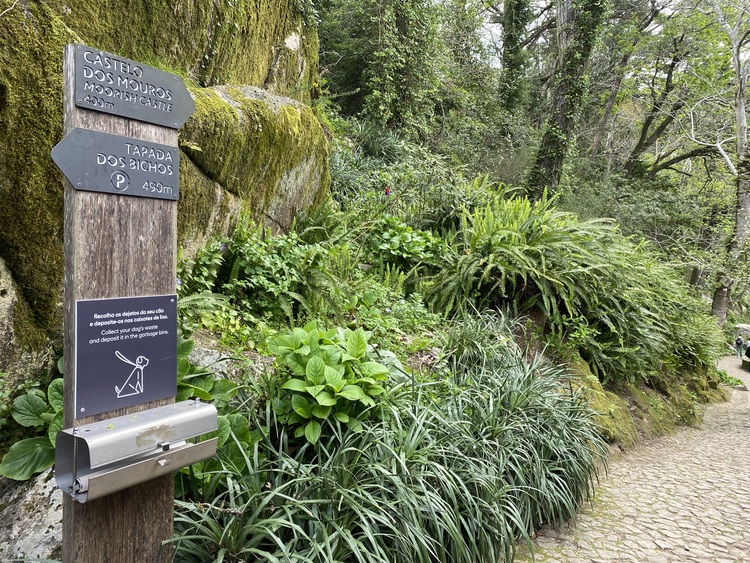
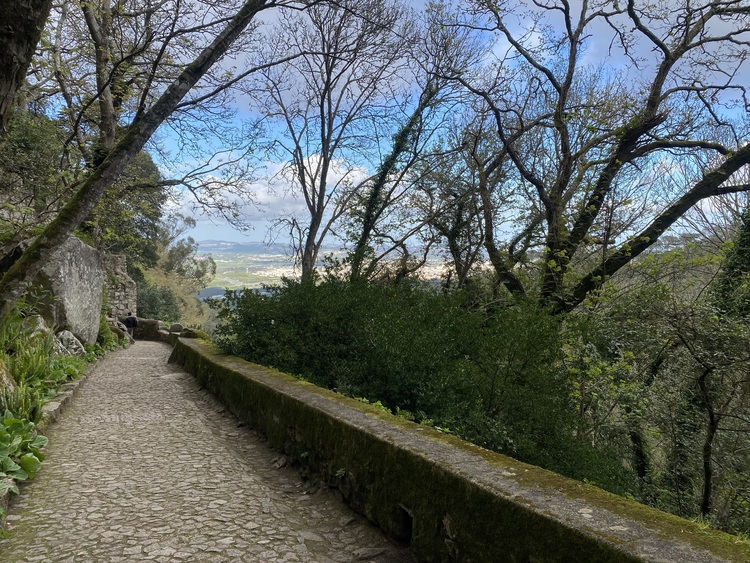
Under King Ferdinand's direction, the castle underwent extensive renovations to transform it into a romantic ruin, blending elements of Moorish and Gothic architecture. While maintaining its rugged appearance, the castle's surroundings were landscaped to enhance its scenic allure, with gardens and pathways winding through the hillside.
Today, the Moorish Castle of Sintra stands as a captivating blend of history and romance, offering visitors a glimpse into Portugal's medieval past and the whimsical imagination of the Romantic era. Its weathered walls and panoramic views continue to enchant visitors from around the world, making it a must-see destination in the cultural landscape of Sintra.