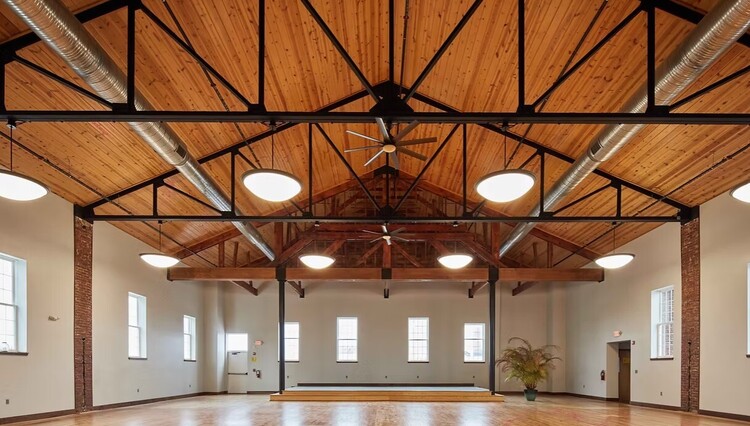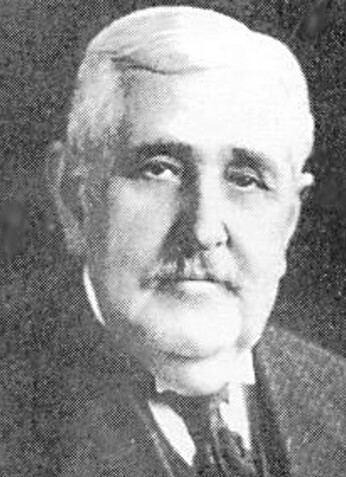
In the early 1900s, long before people used phrases like "work-life balance," Edward Ford made blending family life with work life a reality. He built the Edward Ford Club as a place where employees could come relax, unwind, and socialize after a long day in the factory. They bowled in the club's downstairs bowling alley, shot hoops on the basketball court, danced and dined in the upstairs ballroom, and practiced songs for the concert band Ford helped start.
But Ford’s vision went far beyond this building.
As families arrived—many from overseas, others from across the United States—he understood that a successful town needed more than jobs and socialization. It needed stability, opportunity, and a sense of belonging. So, he built 100 affordable homes for his workers, giving families a place to put down roots.
And because he believed education, faith, and business were essential to a thriving town, Ford supported, and sometimes fully funded, the town’s first churches, schools, and banks.
And when times were hard—as they often were—Ford quietly and anonymously paid employees’ medical bills, grocery bills, and other expenses so that families could thrive.